Food prices in the Philippines just feel heavier in 2025. Every time I step inside the grocery, my mind is like:
“Ano na namang magugulat ako sa presyo today?”
After doing the ₱1,500 challenge last time, many moms messaged me:
“Mommy Peach, try ₱2,000 naman. Mas realistic yan sa family of four.”
So this week, I officially tested it:
Can a Filipino family still eat healthy, filling, and variety-packed meals with a weekly budget of ₱2,000?
Healthy — not fancy.
Nutritious — not gourmet.
Masarap — not expensive.
And yes, this is a real-life experiment: real groceries, real kids, real struggles, and real mom hacks.
My Rules for the ₱2,000 Grocery Challenge
To make it fair and realistic for Filipino families, I followed these rules:
- Budget: Maximum ₱2,000
- Must last 5–7 days
- Meals must include:
- Protein
- Fresh vegetables
- At least one fruit daily
- No dining out
- No junk food
- Only basic pantry items allowed (oil, salt, sugar, soy sauce, vinegar)
I wanted to prove that healthy eating doesn’t have to be expensive — but it does require planning.
7 Days of Healthy Meals (Actual Meals We Ate)
Here’s the full menu for the week:
Day 1 – Chicken Tinola + Bananas
Always the best healthy starter meal.
Simple, filling, and full of veggies.
Day 2 – Pork Chops + Ginisang Sayote
Pan-fried pork chops (one each) + a big side of sayote.
Kids loved the balance.
Day 3 – Pork Giniling + Carrots + Potatoes
A classic Filipino ulam that stretches so well.
Served with papaya slices for dessert.
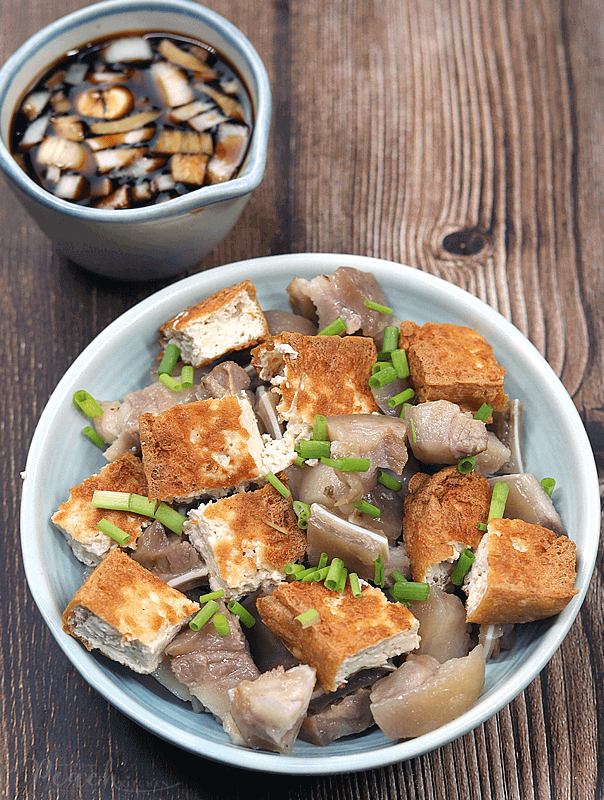
Day 4 – Tokwa + Kalabasa Stir-Fry
Packed with fiber and plant protein.
Budget-friendly AND healthy.
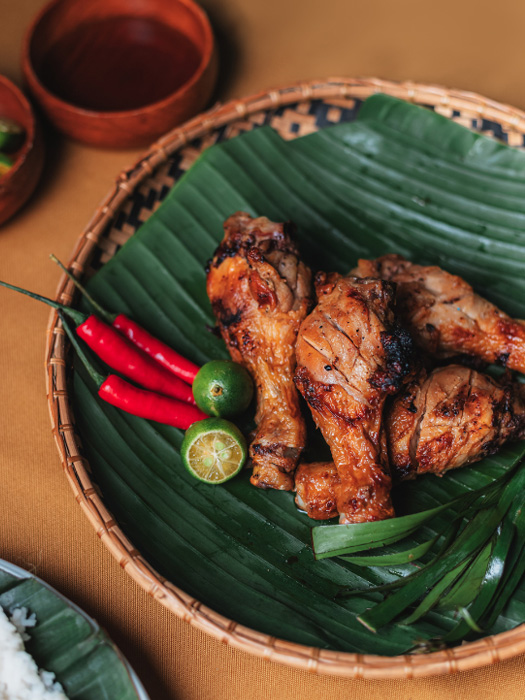
Day 5 – Chicken Adobo + Cabbage Stir-Fry
Adobo is budget magic.
Cabbage added bulk and nutrients without adding cost.
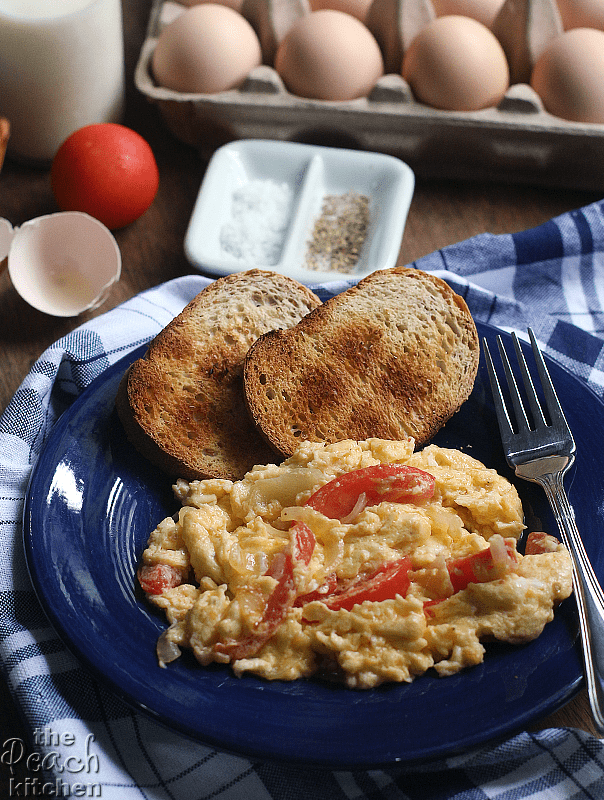
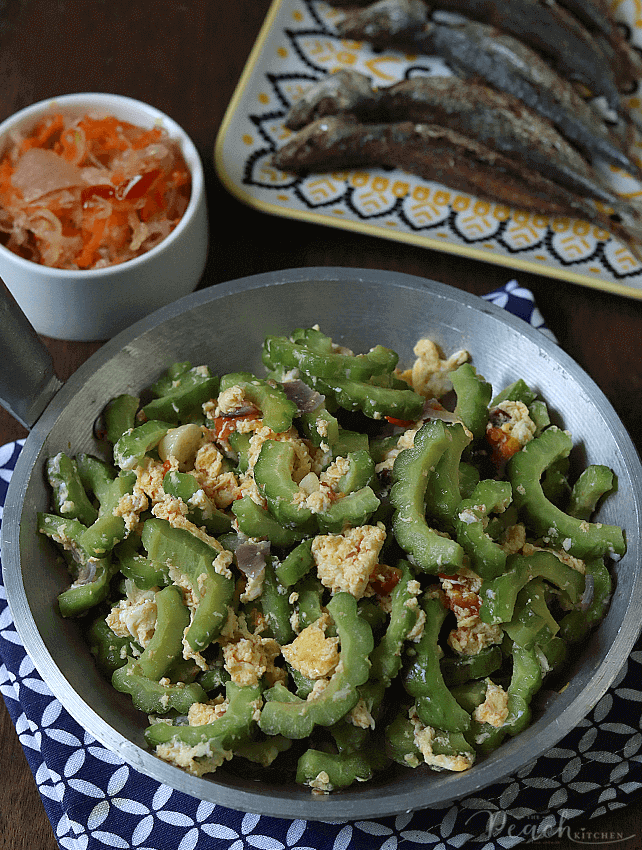
Day 6 – Ginisang Ampalaya with Egg + Bread
Low-cost, high-nutrient meal.
Kids didn’t love the ampalaya — but they ate the eggs and bread!
Day 7 – Pancit Canton Veggie Stir-Fry + Bananas
Quick, easy, and comforting.
Veggie-loaded so it’s healthier than the usual instant meal.
Were We Able to Eat Healthy?
YES — much healthier than with ₱1,500.
Here’s why:
✔ More protein
We had chicken, pork, tofu, AND eggs.
✔ More fruits
Daily fruit serving became possible.
✔ Bigger veggie portions
I could stretch ingredients better.
✔ Kids enjoyed the variety
No meal felt repetitive.
✔ Less stress for me
I wasn’t struggling to make ends meet unlike with the ₱1,500 budget.
But here are the realities…
✘ Prices change fast
Some days, the same ingredients can cost ₱100 more.
✘ No room for snacks or milk
This is a huge expense for families with younger kids.
✘ Meal planning is non-negotiable
If you don’t plan, overspending happens instantly.
What I’ll Improve Next Time
✔ Add munggo (super sulit + high protein)
✔ Buy fruits in bulk at the palengke
✔ Stretch chicken by shredding it into veggie dishes
✔ Prep baon-friendly meals
✔ Try a mix of Filipino + international recipes
Is ₱2,000 a Realistic Weekly Grocery Budget for a Filipino Family?
Yes — but you have to be very intentional.
For basic healthy meals: ₱2,000 can work.
For full fruits, snacks, milk, cereal, school baon, and treats?
You’ll likely need ₱3,000 – ₱4,500.
Still, ₱2,000 is a doable and practical baseline for weekday meals.
This challenge reminded me that:
Healthy eating doesn’t need to be fancy.
Sometimes it’s just a mix of vegetables, simple proteins, and smart portions.
And as Filipino moms, we always find a way.
We stretch what we have, we tweak recipes, and we make sure our families are fed with love and nourishment—kahit tight ang budget.
I’ll continue this ₱2,000 challenge monthly so we can track price changes together.