Every New Year’s Eve, you’ll hear it—
“Huwag maghanda ng manok.”
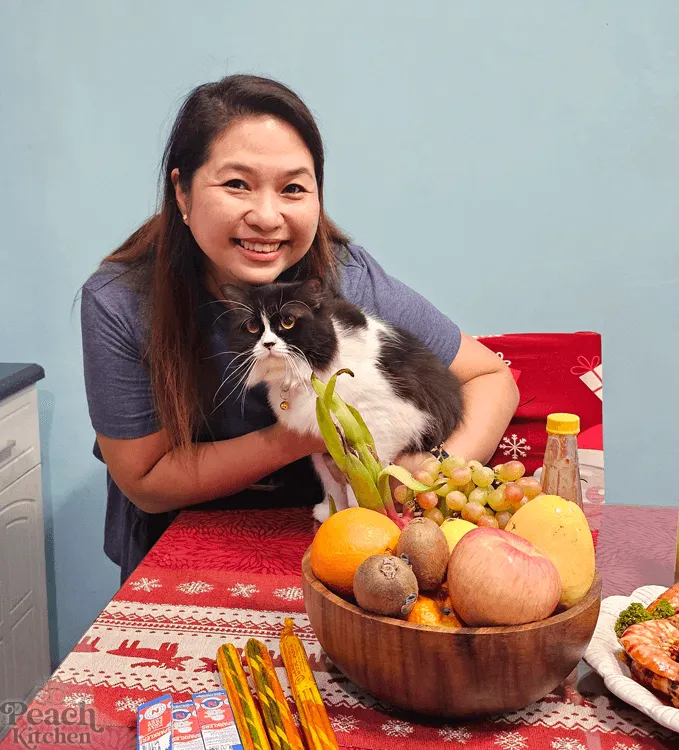
“Kumain ka ng ubas.”
“Dapat may pansit!”
Whether you grew up believing these or just following them “para safe,” one thing’s for sure: Filipino New Year food traditions are deeply rooted in hope. Hope for abundance, good health, better finances, and a smoother year ahead.
But where did these beliefs come from—and do they really affect how the year turns out?
Let’s talk about the foods Filipinos eat for good luck, and separate tradition from reality.
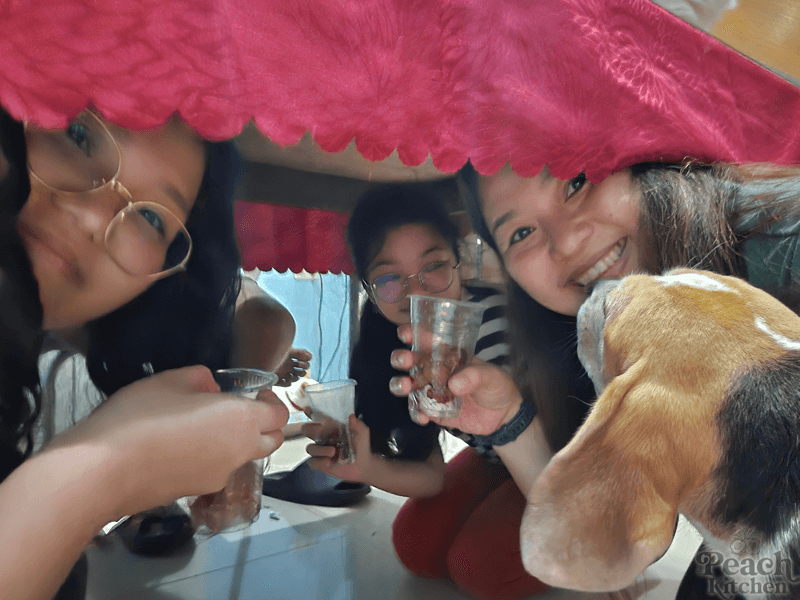
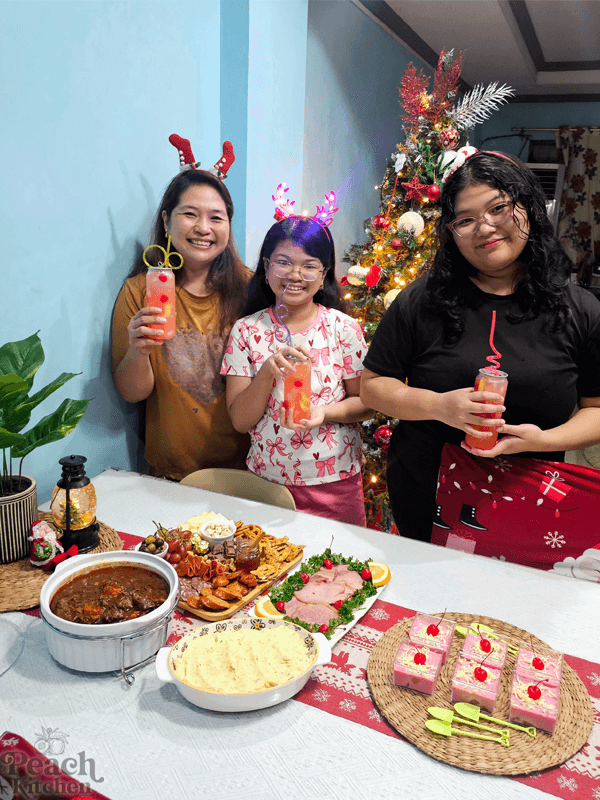
We did this on New Year 2025
1. Grapes – One for Every Month
The belief:
Eating 12 grapes at midnight — one for each month — brings luck and prosperity. Some even take it further by eating the grapes under the table for extra good fortune.
The reality:
This tradition likely came from Spain and Latin cultures and made its way into Filipino homes. Whether it works or not, it’s a fun ritual that makes people pause and set intentions for the year ahead—and that mindset alone is already powerful.
2. Round Fruits – Para Sa Pera
The belief:
Round fruits symbolize coins, so the more you have on the table, the more money you’ll have in the coming year.
The reality:
There’s no magic number of fruits, but having fruits on the table encourages healthier eating after all the holiday indulgence—so it’s still a win.
3. Pancit – Long Life and Long Luck
The belief:
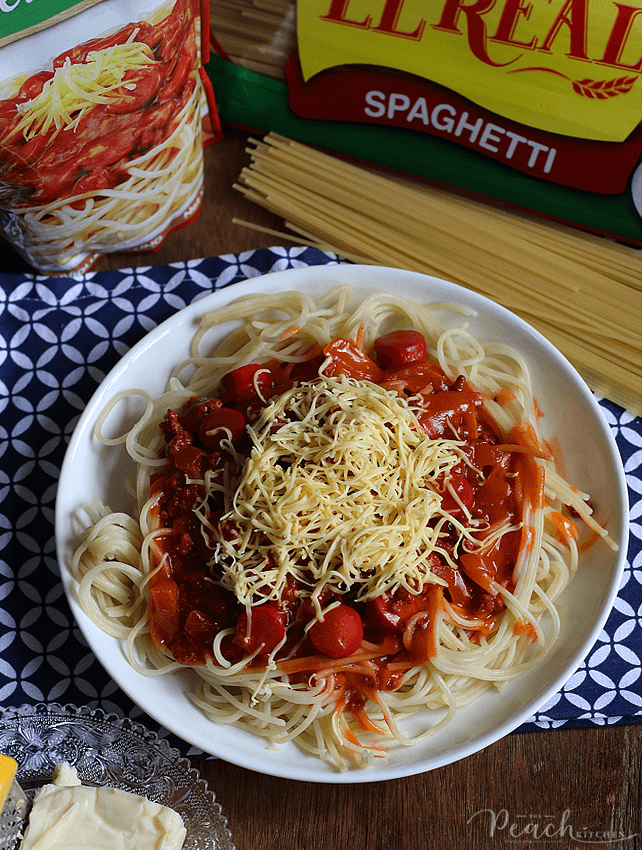
Pancit represents long life and continuous blessings. That’s why it’s present in birthdays and New Year celebrations.
The reality:
Pancit brings people together. Big trays, shared plates, family stories—sometimes longevity isn’t about years, but about moments spent together.
4. Fish – Abundance and Moving Forward
The belief:
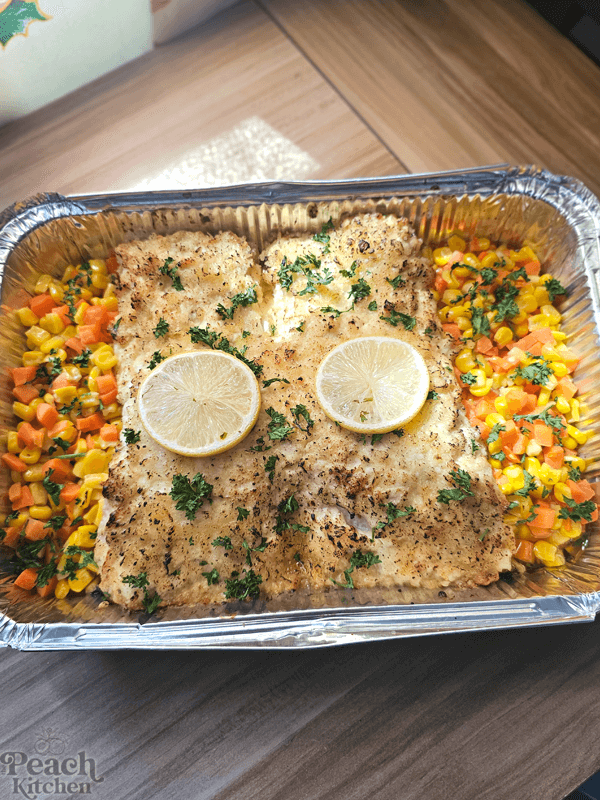
Fish symbolizes abundance and progress because fish always move forward, never backward.
The reality:
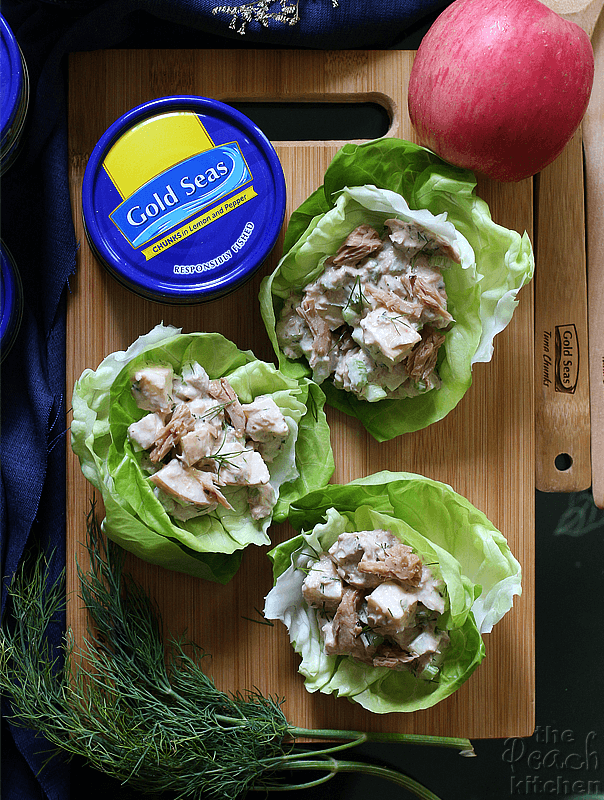
Fish is a lighter, healthier option after days of heavy holiday food. Whether for luck or health, it earns its spot on the table.
Check out my Cheesy Baked Salmon recipe here.
5. Sticky Rice Desserts – Keeping the Family Close
The belief:
Kakanin like biko, tikoy, and suman symbolize unity and closeness because they “stick” together.
The reality:
Sharing desserts really does bring people together—especially when everyone reaches for the same tray.
6. Avoiding Chicken – “Isang Kahig, Isang Tuka”
The belief:
Chicken represents living paycheck to paycheck, so it’s avoided to prevent financial struggle.
The reality:
Chicken is affordable and nutritious, but skipping it once a year is more about honoring tradition than fear. It reminds us to be mindful of our finances.
7. No Leftovers, Full Plates
The belief:
A full table means abundance all year long.
The reality:
While excess food isn’t practical, preparing enough to feed everyone comfortably is a symbol of generosity—and generosity often finds its way back.
Beliefs vs Reality: What Really Brings Good Luck?
Here’s the truth.
Food alone doesn’t decide how your year will go — but intention, gratitude, and togetherness do. These traditions give families a moment to pause, reflect, and hope for something better.
And sometimes, that’s all we really need.
A Modern Take on New Year Traditions
You don’t have to follow every belief perfectly. Choose the ones that feel meaningful to you. Serve the food you love. Create rituals your family will remember.
Because at the end of the day, the best New Year luck comes from:
- A full table
- A grateful heart
- And people you love around you
Everything else is just a bonus ✨