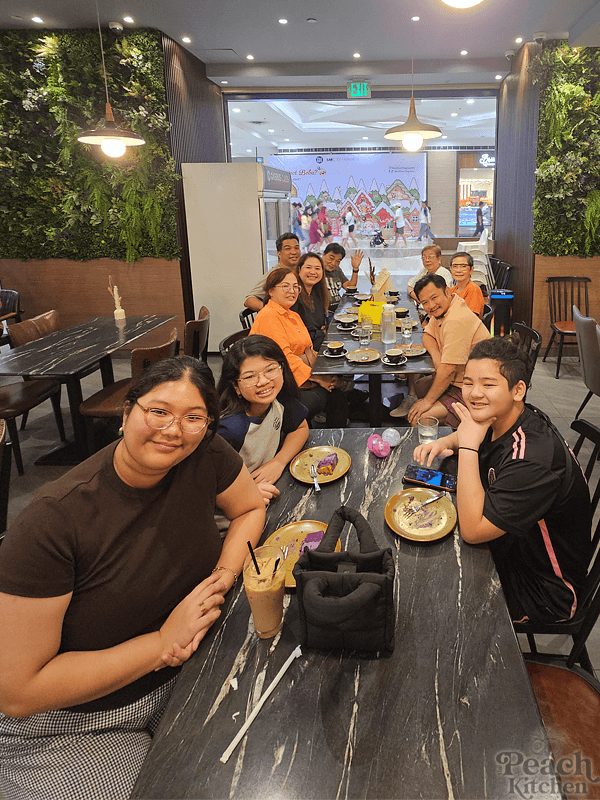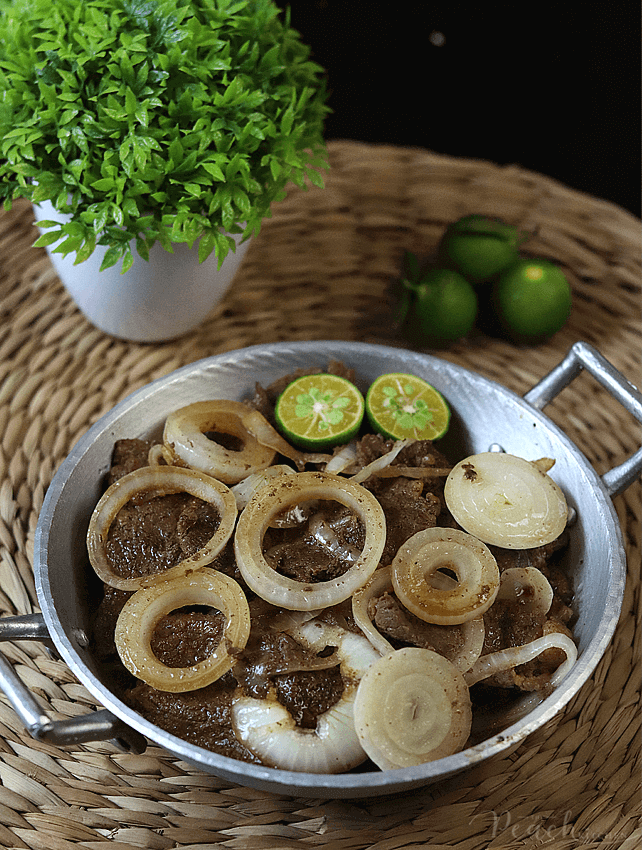
Even if we’re not Chinese, a lot of us Filipinos still observe Chinese New Year beliefs and food traditions—sometimes without even realizing it. I mean, who hasn’t eaten noodles for long life or filled the table with round fruits “just in case,” right?
Over the years, these beliefs have quietly blended into Filipino households. Whether it’s for luck, prosperity, or simply tradition, many of us still follow them—especially when food is involved.
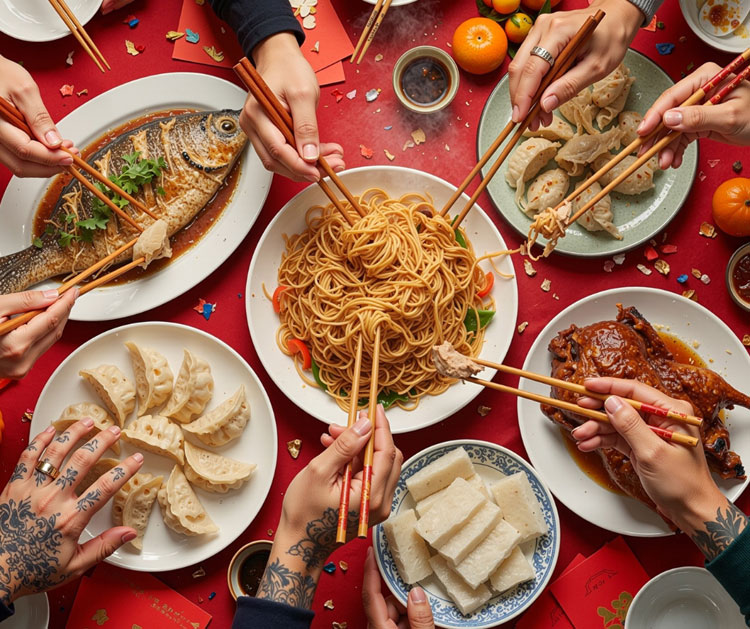
🧧 Why Chinese New Year Traditions Matter to Filipinos
Chinese New Year has always been part of Philippine culture. With strong Chinese-Filipino roots in business, food, and family life, many traditions have naturally crossed over.
And let’s be honest when it comes to food and luck, walang mawawala kung susubukan. 😉
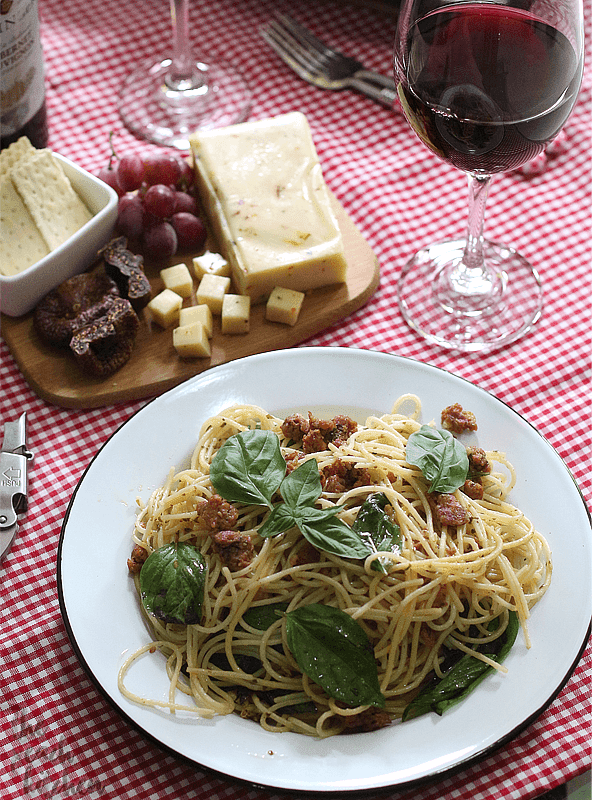
🍜 1. Noodles for Long Life
One of the most popular Chinese New Year food traditions Filipinos follow is serving long noodles.
Belief:
Long noodles symbolize long life and good health.
How Filipinos do it:
- Pancit Canton
- Pancit Bihon
- Birthday-style noodles during CNY
Important:
Huwag daw putulin ang noodles habang niluluto or kinakain—panghabang-buhay ang wish!
🍊 2. Round Fruits for Prosperity
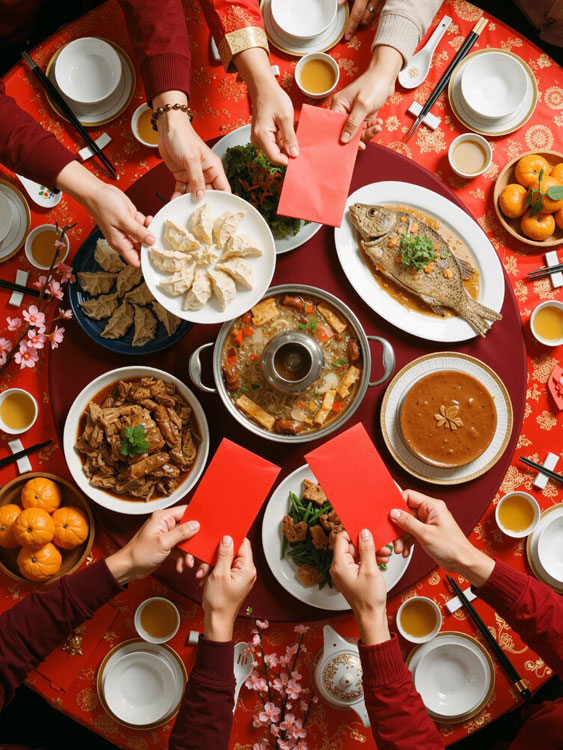
If you see oranges, pomelos, apples, and grapes on the table—Chinese New Year na yan.
Belief:
Round fruits symbolize wealth, abundance, and completeness.
Common fruits served:
- Oranges (especially mandarin)
- Pomelo
- Apples
- Grapes
Mommy thought:
Even if it’s just a fruit bowl on the table, it already feels festive and hopeful.
🐟 3. Fish for Abundance
Fish is another must-have during Chinese New Year.
Belief:
Fish represents abundance and surplus—may sobra pa.
Filipino-style fish dishes:
- Steamed fish
- Sweet and sour fish
- Fried fish with sauce
Just like during New Year’s Eve, many families believe fish means moving forward and continuous blessings.
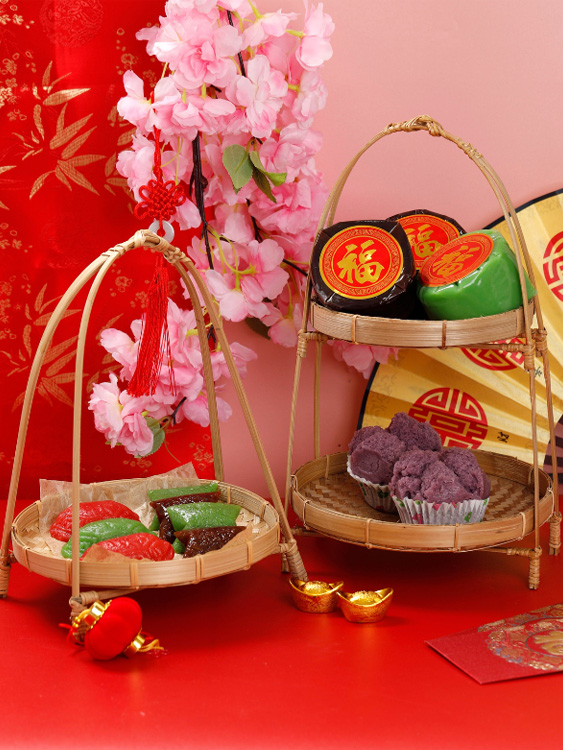
🍚 4. Tikoy: The Sticky Symbol of Family Unity
Tikoy has become a Chinese New Year staple in many Filipino homes.
Belief:
Tikoy symbolizes family unity, harmony, and sweetness in relationships.
How Filipinos enjoy it:
- Sliced, dipped in egg, and fried
- Tikoy with cheese (very Filipino!)
- Tikoy with ube or chocolate
And yes, most of us get tikoy from friends or neighbors—and we happily accept. 😄
🍗 5. Foods Some Families Avoid
Just like Filipino New Year pamahiin, there are also foods some families avoid during Chinese New Year.
Common beliefs:
- Avoid chicken – symbolizes “isang kahig, isang tuka”
- Avoid bitter food – para hindi bitter ang taon
- Avoid broken food presentation – bad luck daw
Not everyone follows these strictly, but many still keep them in mind—just to be safe.
💰 6. Dumplings and Meat for Wealth
In Chinese belief, dumplings resemble ancient gold ingots.
Symbolism:
- Wealth
- Financial luck
- Business success
Filipino families may not always make dumplings, but serving meaty dishes like pork, beef, or chicken is believed to invite prosperity.
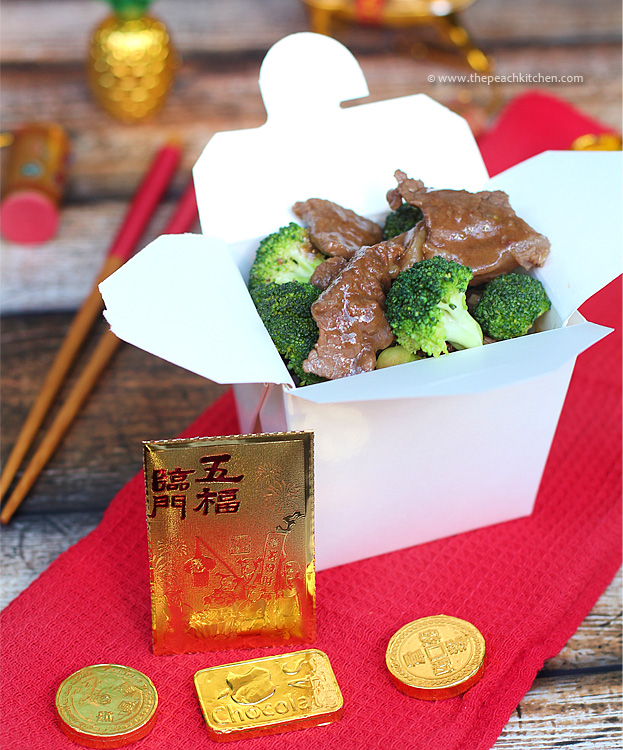
🏮 7. Red Is Always Welcome
While not food-related, you’ll notice red everywhere during Chinese New Year.
Belief:
Red wards off bad luck and attracts good fortune.
That’s why food packaging, table décor, and even desserts often have touches of red.
What I love about Chinese New Year beliefs and food traditions is how they remind us to start the year with hope. Whether you fully believe or just enjoy the food, these traditions bring families together—and that’s always worth celebrating.
At the end of the day, pagkain pa rin ang nagdudugtong sa atin—luck or no luck. ❤️