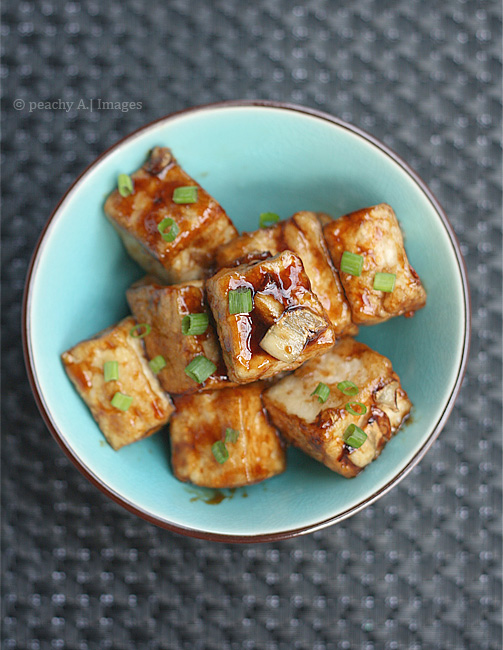
Chinese New Year has always been fascinating to me. Even if you’re not Chinese, chances are you’ve grown up seeing — or even serving — Chinese New Year food at home. Over the years, many Filipino families have embraced these dishes, not just for tradition, but because the beliefs behind them feel hopeful, positive, and very pang-bagong simula.
Food during Chinese New Year isn’t just about eating — it’s about symbolism. Each dish represents luck, wealth, longevity, unity, or abundance, which is probably why these foods have found their way into Filipino homes year after year.
Here are the lucky Chinese New Year food Filipinos commonly serve at home, and why they’re believed to bring good fortune.
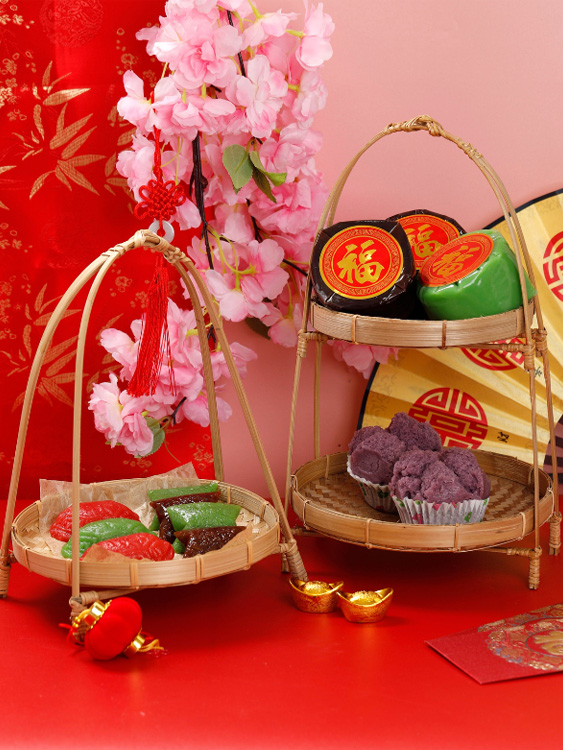
🧧 1. Tikoy (Nian Gao) – For Strong Family Bonds and Progress
Tikoy is probably the most familiar Chinese New Year food in Filipino households. Whether pan-fried with egg or made into dessert, it symbolizes sticking together and rising higher every year.
Why Filipinos love it:
- Easy to share
- Sweet (because who doesn’t want a sweet year ahead?)
- Widely available every January–February
Mommy thought:
Tikoy feels like a reminder to stay close as a family—even when life gets busy.
🐟 2. Fish – For Abundance and Forward Movement
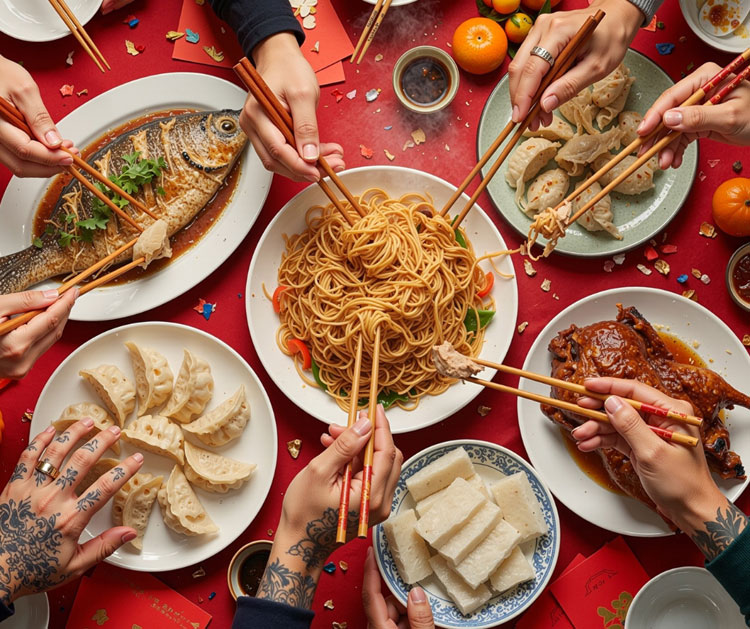
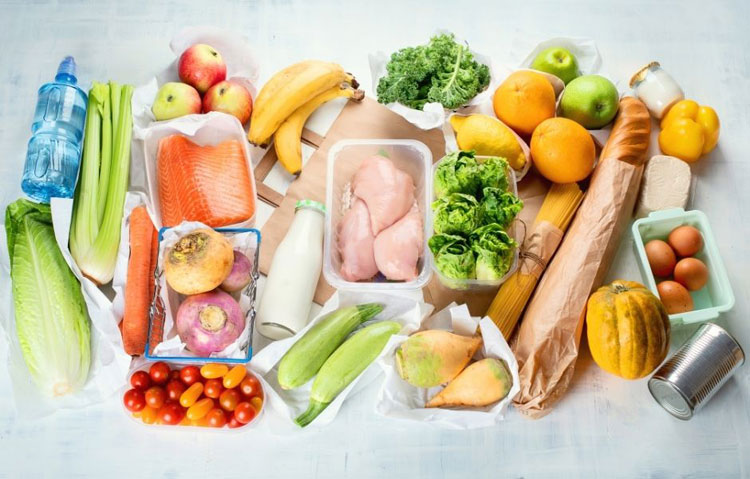
Fish is a must-have in many Chinese celebrations, and Filipinos have long believed the same: fish symbolizes abundance and prosperity. It’s also associated with moving forward — never backward.
Common ways Filipinos serve it:
- Steamed fish
- Fried fish
- Baked salmon (a modern favorite!)
🍊 3. Oranges and Mandarins – For Wealth and Good Fortune
Bright, round, and golden—oranges and mandarins resemble coins, making them symbols of wealth and prosperity.
Why they’re always present:
- Easy centerpiece or table décor
- Great as gifts
- Fresh and refreshing after heavy meals

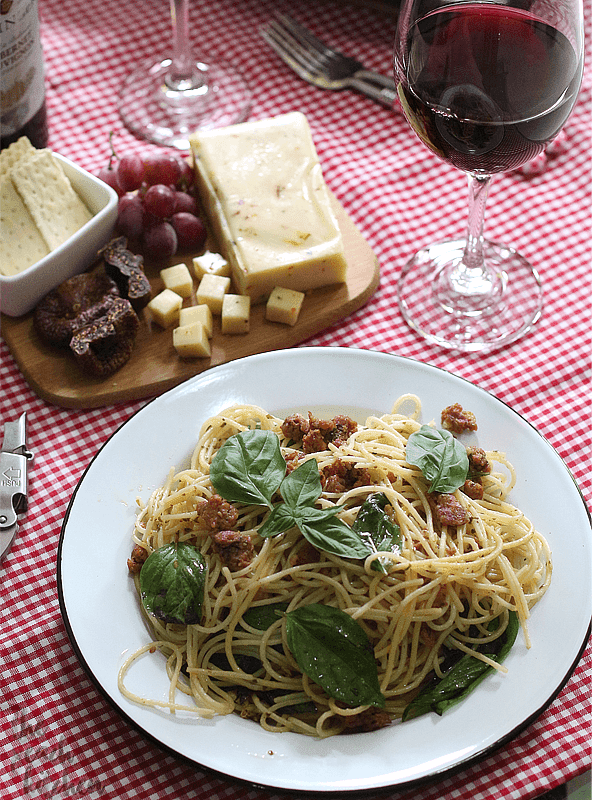
🍜 4. Pancit or Long Noodles – For Long Life
No cutting allowed! Long noodles represent longevity and good health. This belief overlaps beautifully with Filipino birthday traditions, which is why pancit feels so familiar.
Popular choices:
- Pancit Canton
- Pancit Bihon
- Longevity noodles
🥟 5. Dumplings – For Wealth and Blessings
Dumplings are shaped like ancient gold ingots, making them powerful symbols of financial prosperity.
Filipino-friendly versions:
- Store-bought dumplings
- Homemade pork or shrimp dumplings
- Fried or steamed, depending on preference
🍚 6. Sticky Rice Dishes – For Family Unity
Sticky rice dishes, like tikoy or rice cakes, symbolize togetherness and harmony.
Why it resonates with Filipino families:
Rice is already at the heart of Filipino meals—adding meaning makes it extra special.
🍫 7. Sweets and Desserts – For a Sweet Life Ahead
From candies to cakes, sweets are believed to bring joy, happiness, and sweetness into the coming year.
Common Filipino additions:
- Fruit salad
- Kakanin
- Chocolate treats for kids
Beliefs vs Reality: Why We Still Serve These Foods
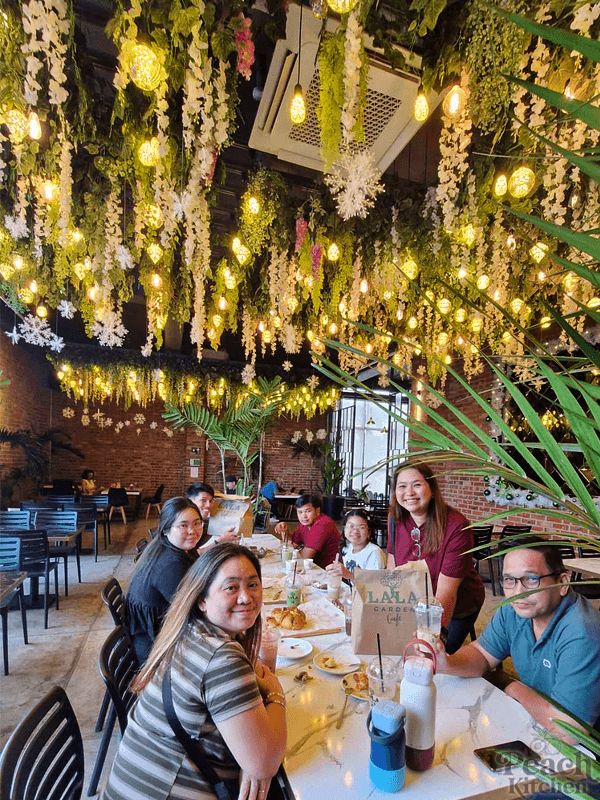
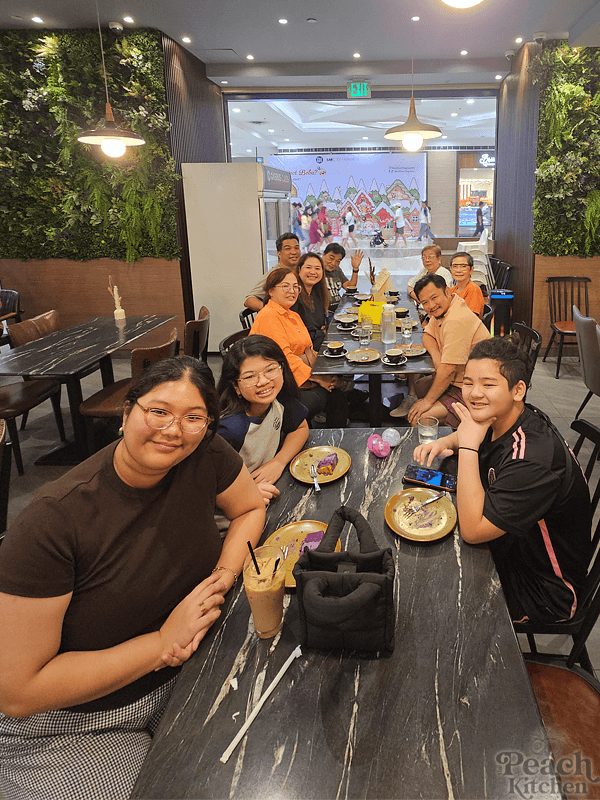
Even if we don’t fully believe in every superstition, these foods remain popular because they bring hope, intention, and positivity into the home. And honestly, starting the year with good food, shared meals, and meaningful traditions never hurts.
As moms, we may not follow everything strictly—but we keep what feels right, practical, and joyful.
Chinese New Year food traditions remind me that food is more than nourishment—it’s a way to express wishes for the people we love. Whether it’s tikoy on the table or a simple plate of noodles, these dishes carry intentions we quietly hope come true.
And if nothing else, they give us another reason to gather, eat well, and start the year feeling grateful.