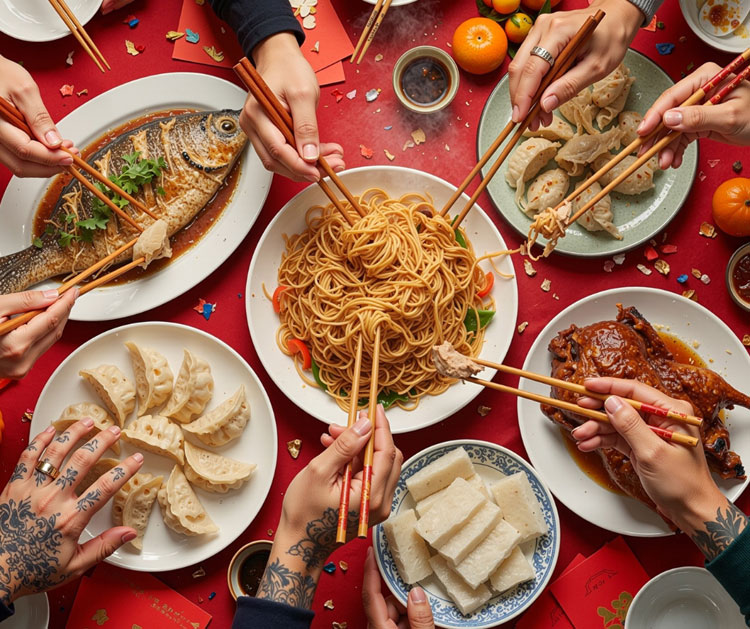
Chinese New Year is more than just a celebration—it’s a season filled with symbolism, traditions, and meaningful food.
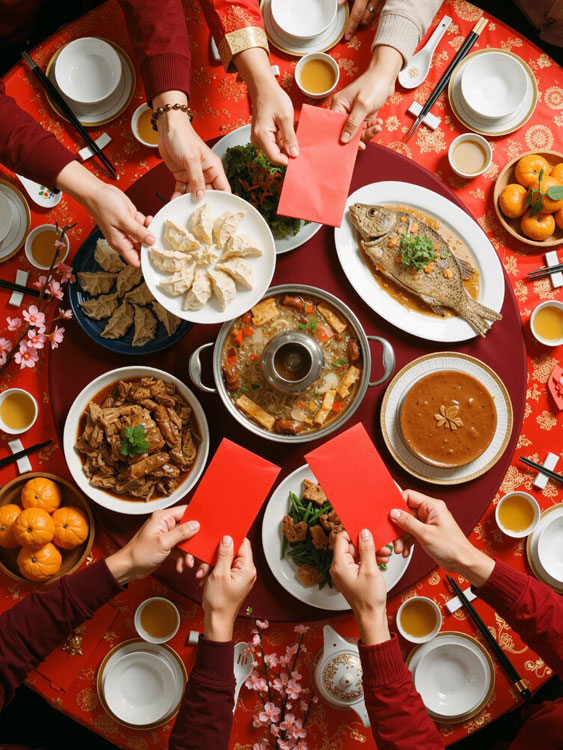
In many Filipino homes (especially those influenced by Chinese traditions), what you serve on the table during Chinese New Year is believed to set the tone for the year ahead. Each dish represents something we hope to attract—good luck, prosperity, health, or long life.
Whether you follow these traditions closely or simply enjoy the food, it’s always interesting to know what each dish symbolizes and why it’s commonly served.
🧧 Chinese New Year Foods and What They Symbolize
🍜 Long Noodles (Longevity)
Noodles represent long life.
They’re usually served uncut, as cutting them is believed to shorten lifespan. This is why noodle dishes like pancit or Chinese-style noodles are popular during Chinese New Year celebrations.
🐟 Whole Fish (Abundance)
Fish symbolizes surplus and abundance.
The Chinese word for fish sounds like “surplus,” which is why it’s believed that eating fish welcomes prosperity. It’s often served whole to represent completeness.
🍊 Oranges and Mandarins (Good Luck & Wealth)
Bright orange fruits symbolize wealth, success, and good fortune.
That’s why oranges are often given as gifts during Chinese New Year. The brighter and fresher they look, the better.
🥟 Dumplings (Prosperity)
Dumplings are shaped like ancient gold ingots.
Serving dumplings symbolizes wealth and financial success. The more you eat, the more luck you’re believed to attract.
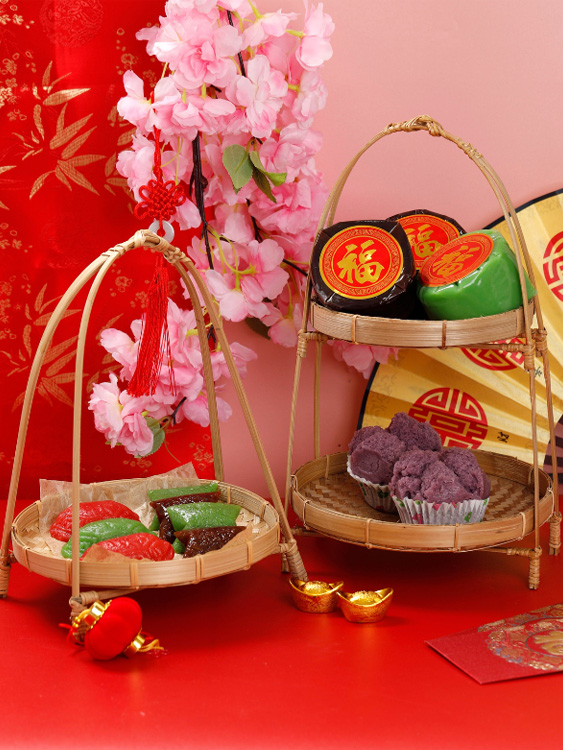
🍚 Sticky Rice Cakes (Progress & Growth)
Sticky rice cakes represent growth and progress.
Their sticky texture symbolizes family closeness, while their rising shape represents improvement year after year.
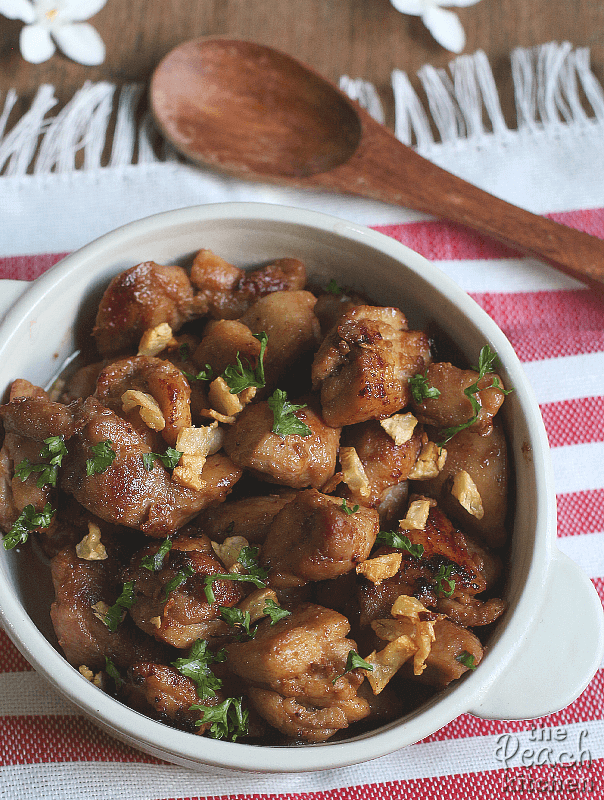
🐔 Chicken (Family Unity)
Chicken represents togetherness and family unity.
It’s usually served whole to symbolize completeness and harmony within the family.
🥬 Leafy Greens (Health & Longevity)
Vegetables symbolize health, freshness, and renewal.
Leafy greens are believed to help cleanse bad luck from the past year and welcome a healthier new one.
🍍 Pineapple (Good Fortune)
Pineapple is considered lucky because its name sounds like “prosperity” in some Chinese dialects.
It’s often served fresh or as part of desserts.
🍬 Sweets (Happiness)
Sweet foods symbolize a sweet and joyful year ahead.
Desserts, candies, and sweet pastries are believed to attract happiness and harmony.
What Filipinos Commonly Adapt at Home
In Filipino households, Chinese New Year food traditions are often adapted using:
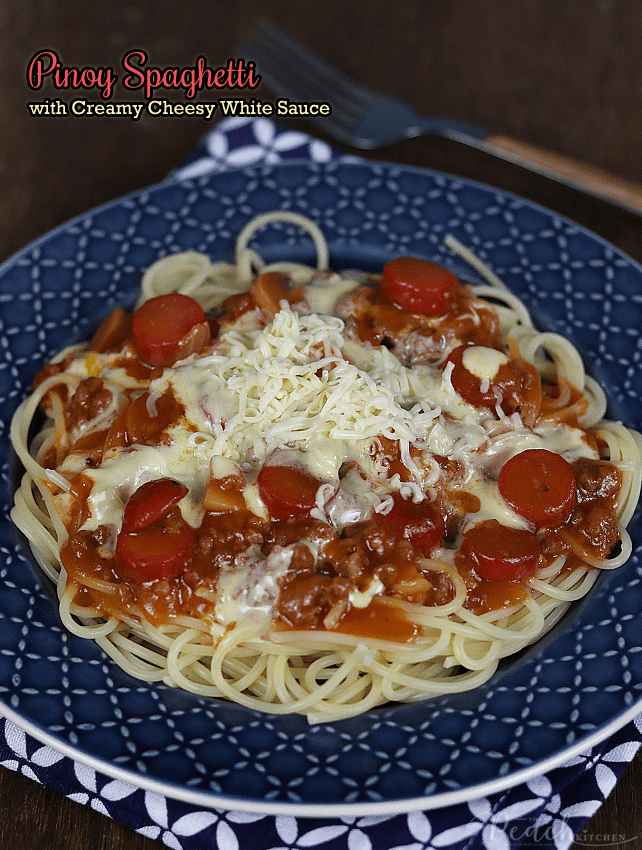
- pancit instead of Chinese noodles
- whole fried or steamed fish
- oranges on the table
- simple chicken dishes
- fruit platters for dessert
It’s not about strict rules—it’s about intention and symbolism.
Mommy Peach Reflection 💛
Whether you fully believe in these traditions or just enjoy the food, there’s something comforting about starting the year with hope, intention, and family meals.
At the end of the day, what matters most is:
- sharing food
- being together
- and welcoming the year with positivity
The food simply makes it more meaningful.