One of the most common questions I get lately is this:
“Is eating healthy expensive now?”
With grocery prices going up, portion sizes getting smaller, and social media constantly showing “ideal” healthy meals, it’s easy to feel like eating well is only for people with a big budget. But after years of cooking at home, adjusting grocery habits, and trying to balance health with real-life expenses, I can honestly say this:
👉 Eating healthy in the Philippines is not cheap — but it doesn’t have to be unaffordable.
Let’s talk real numbers.
What Does “Eating Healthy” Actually Mean?
Before we talk about cost, we need to define healthy — because this is where expectations usually get unrealistic.
Eating healthy does NOT mean:
- imported superfoods
- expensive supplements
- no rice, no carbs, no joy
In real Filipino households, eating healthy usually looks like:
- home-cooked meals
- balanced portions (protein, vegetables, carbs)
- less fried food, more sabaw and grilled dishes
- fewer ultra-processed snacks
This kind of healthy eating is sustainable, especially for families.
Weekly Cost of Eating Healthy in 2026 (Family of 4)
Based on current prices and realistic shopping habits, here’s what a healthy food budget looks like:
🟢 ₱3,500–₱4,000 per week
or
🟢 ₱11,000–₱16,000 per month
This assumes:
- 80–90% home-cooked meals
- limited takeout
- no premium or imported-only ingredients
Where the Healthy Food Budget Goes
🥩 Protein (40–45%)
Chicken, eggs, fish, tofu, canned tuna, occasional pork or beef
Protein is usually the most expensive part of eating healthy, but it’s also what keeps meals filling and prevents constant snacking.
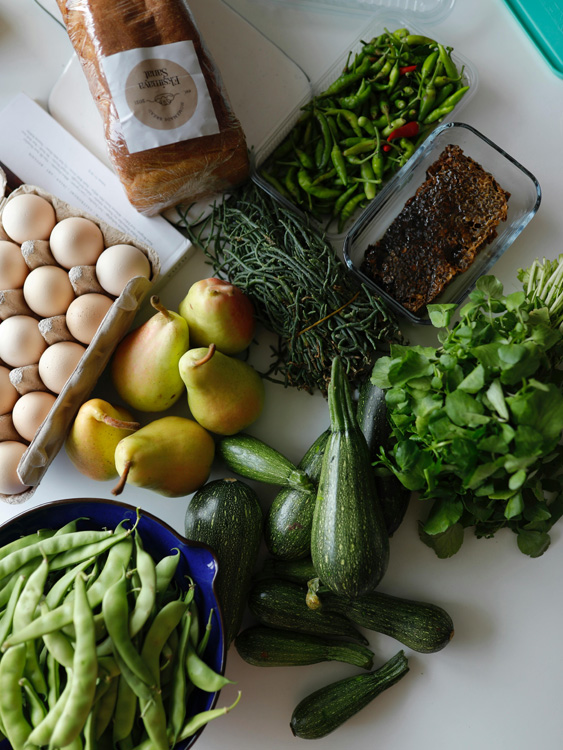
🥬 Vegetables & Fruits (30%)
Leafy greens, root crops, tomatoes, bananas, seasonal fruits
Buying seasonal produce and shopping at wet markets makes a big difference here.
🍚 Carbs & Staples (15–20%)
Rice, oats, bread, cooking oil, condiments
Rice still has a place in healthy Filipino meals — portion control matters more than elimination.
🍞 Snacks & Extras (10%)
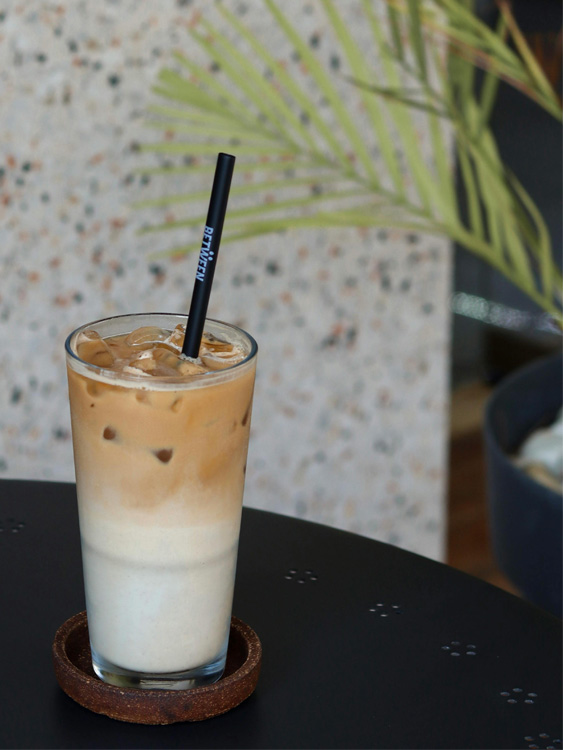
Bread, spreads, coffee, simple merienda items
This category can easily go over budget if not planned properly.
Is Healthy Food More Expensive Than “Usual” Food?
Short answer: sometimes.
Long answer: it depends on how you shop.
Healthy food becomes expensive when:
- you rely on packaged “health” products
- you buy imported items regularly
- you don’t plan meals
Healthy food stays affordable when:
- you cook at home
- you use simple, local ingredients
- you plan meals weekly
A home-cooked tinola, grilled fish, or monggo is often cheaper than fast food or frequent takeout.
What Healthy Eating Looks Like on a Budget
A realistic healthy week might include:
- chicken tinola or sinigang
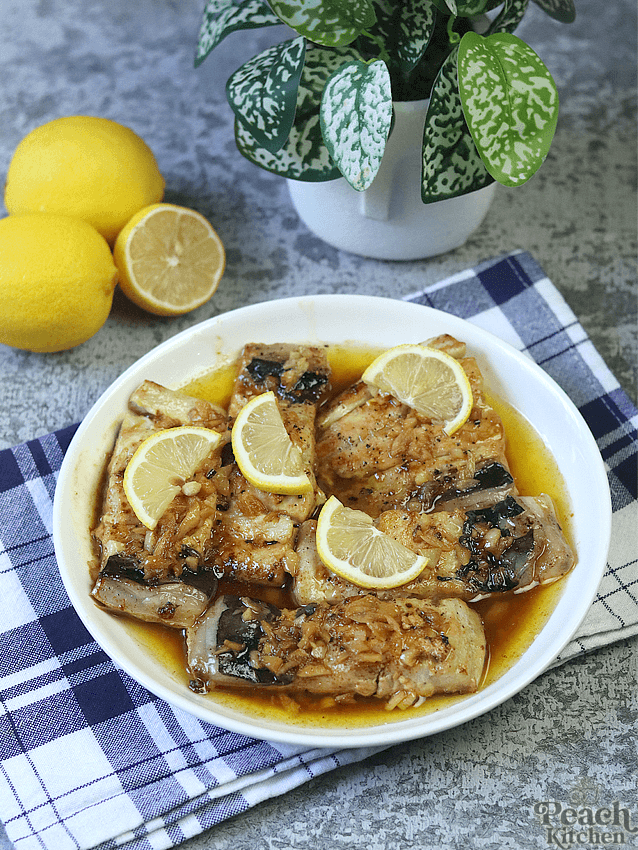
- grilled or pan-seared fish
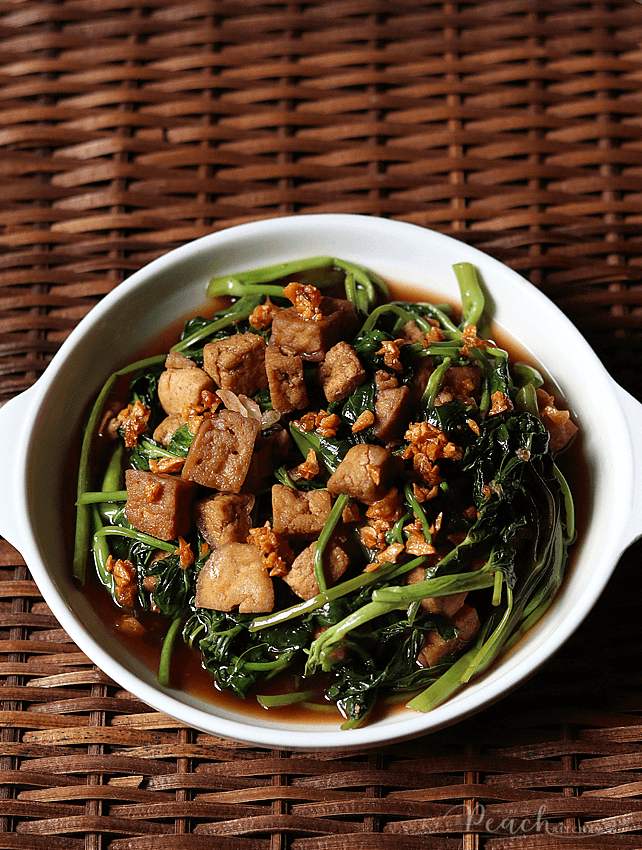
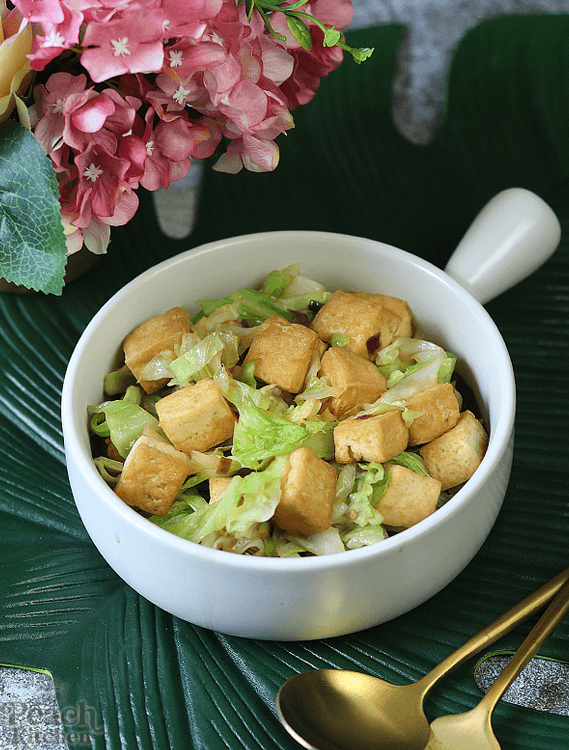
- ginisang gulay with eggs or tofu
- tuna or sardines with vegetables
- simple salads as side dishes
These are not “diet meals.” They are everyday Filipino food, cooked with balance in mind.
Why Eating Healthy Feels Expensive Now
Families feel the pressure more in 2026 because of:
- rising meat and fish prices
- higher transport and fuel costs
- smaller packaging sizes
- more meals eaten at home
Even when habits don’t change, expenses do.
Practical Ways to Eat Healthy Without Overspending
Here’s what actually helps:
✔ Plan meals before grocery shopping
✔ Buy vegetables from wet markets
✔ Rotate proteins instead of eating the same meat daily
✔ Use leftovers intentionally
✔ Limit sugary drinks and packaged snacks
Healthy eating isn’t about perfection — it’s about consistency.
Eating healthy is not a one-time decision.
It’s something you adjust week by week, depending on:
- budget
- schedule
- energy level
Some weeks are better than others — and that’s okay.
What matters is choosing food that supports your body without breaking your budget.
Read These Next
If this topic resonated with you, these posts pair perfectly: