January always comes with that familiar promise: this is the year I eat healthier.
More gulay, less prito. More salads, less guilt. 😅
But let’s be honest — one of the biggest questions moms ask is this:
Is eating healthy expensive , or does it just feel that way?
Because when you see a salad priced at ₱300–₱400 and compare it to a pot of adobo that can feed the whole family, parang ang hirap i-justify, diba?
So today, let’s talk real numbers.
No diet talk. No judgment. Just an honest cost comparison of salads vs Filipino ulam.
The Perception: “Salads Are Pang-Sosyal”
Let’s start with the obvious.
When people think of healthy eating, they imagine:
- Expensive salad bowls
- Imported greens
- Fancy dressings
- Small portions that don’t even feel filling
Meanwhile, Filipino ulam feels:
- Affordable
- Filling
- Family-friendly
- Stretchable for 2–3 meals
But perception doesn’t always equal reality — especially when we look at cost per serving.
Cost Breakdown: Fast Food & Restaurant Salads (2026)
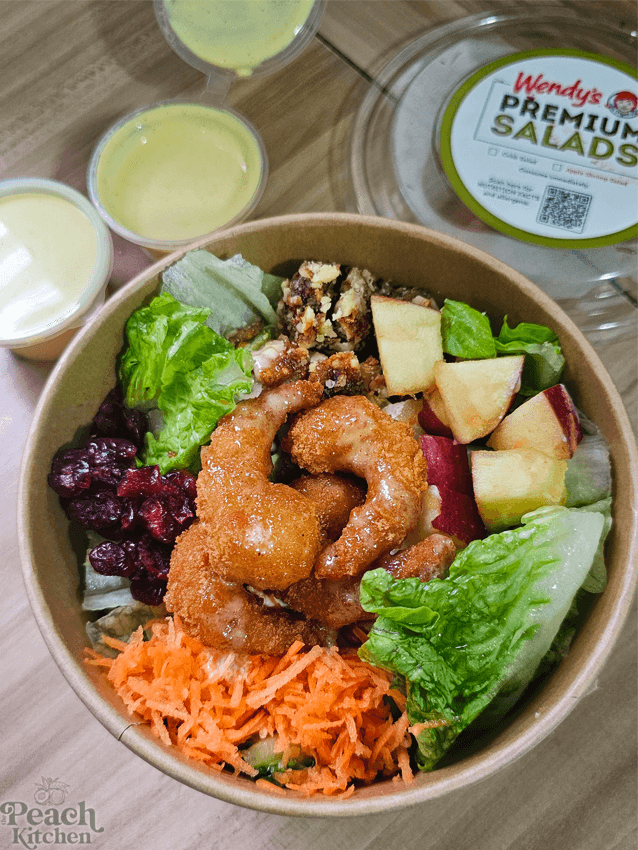
Here’s what salads usually cost now:
- Fast food or café salads: ₱250–₱400 per serving
- Premium or protein-heavy salads: ₱350–₱500
- Add-ons like shrimp, chicken, or kani: +₱80–₱150
These are convenient, yes — but clearly not budget meals if eaten daily.
👉 Verdict:
Great for occasional meals, not ideal for everyday healthy eating if you’re watching your grocery budget.
Cost Breakdown: Homemade Salad (Per Serving)
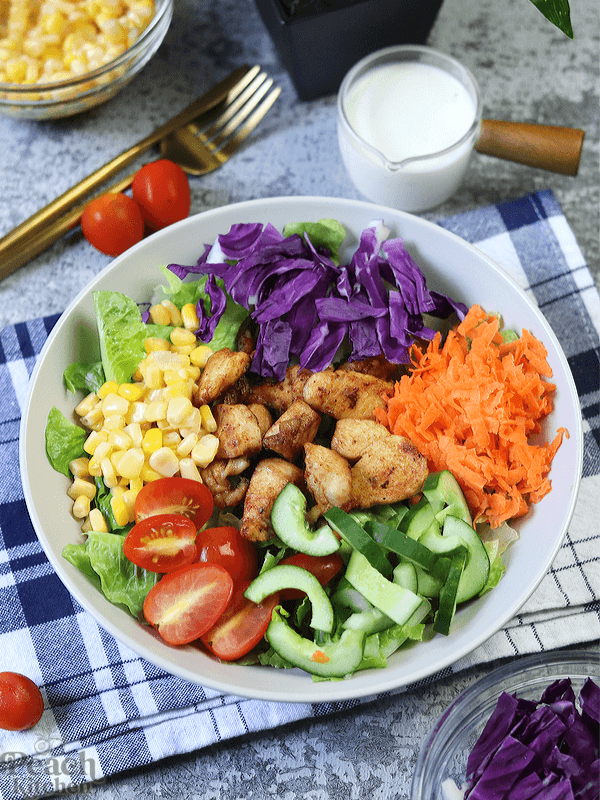
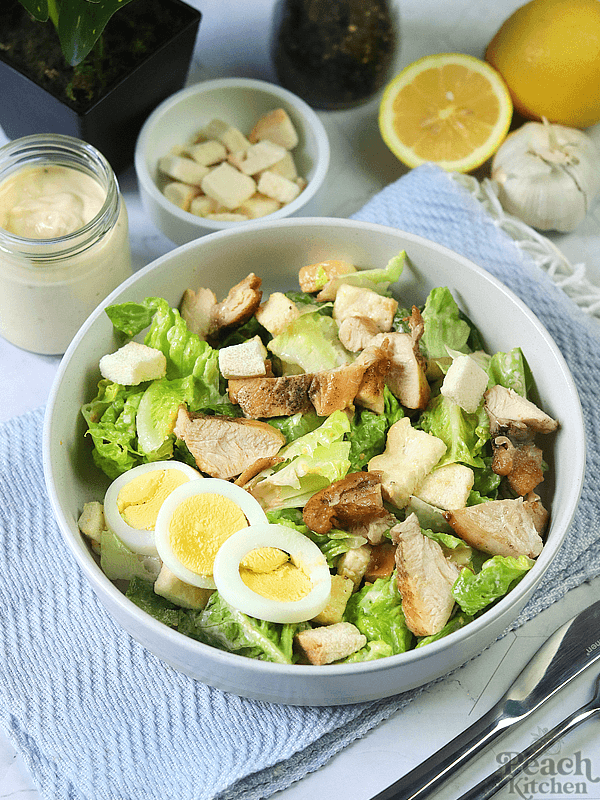
Let’s look at a simple homemade salad using local ingredients:
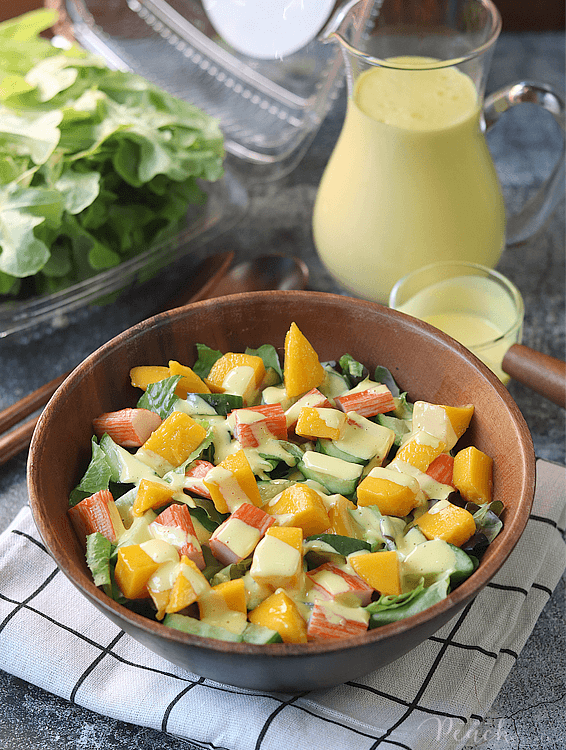
Example: Chicken or Kani Salad
- Lettuce / mixed greens: ₱120 (good for 3–4 servings)
- Protein (chicken, tuna, kani): ₱120–₱180
- Fruits or veggies: ₱60–₱100
- Dressing (homemade or bottled): ₱30–₱40
💡 Estimated cost per serving:
👉 ₱90–₱150
Surprise?
Suddenly, salads don’t look that expensive anymore.
Cost Breakdown: Classic Filipino Ulam (2026 Prices)
Now let’s compare that to common ulam:
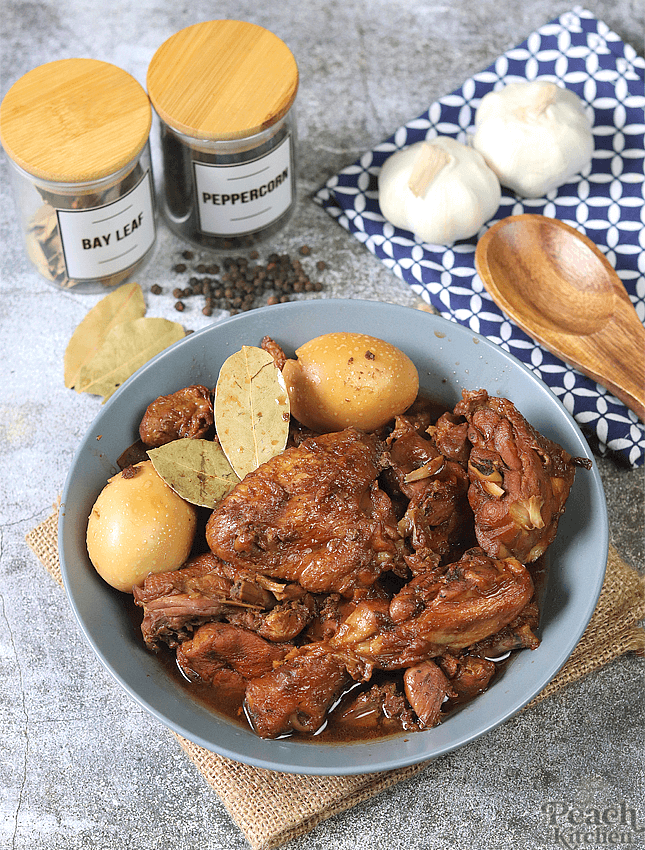
Chicken Adobo
- Chicken: ₱220–₱260
- Pantry staples: already at home
- Good for 3–4 servings
👉 ₱65–₱85 per serving
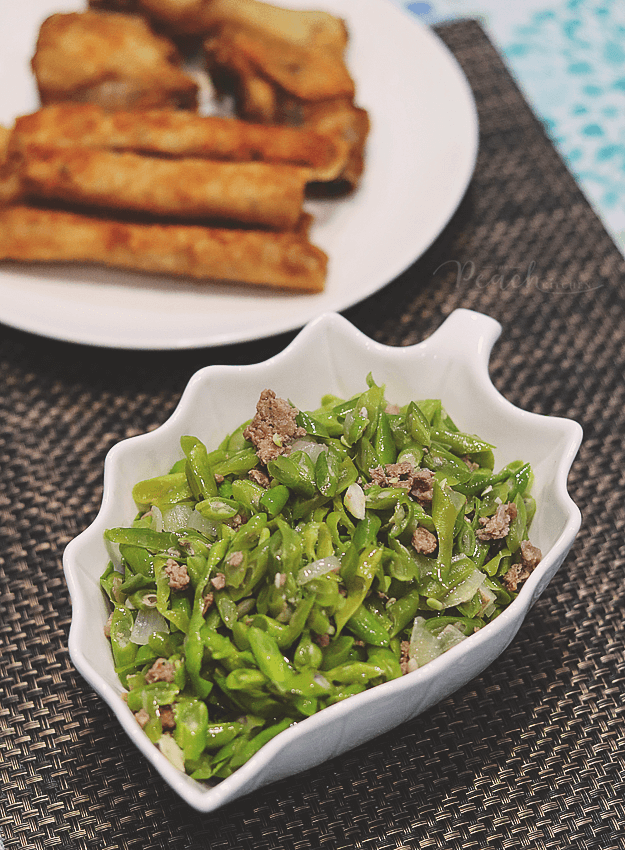
Ginisang Gulay with Meat
- Gulay: ₱80–₱120
- Meat: ₱120–₱150
- Good for 2–3 servings
👉 ₱70–₱100 per serving
So yes — traditional ulam is still cheaper, especially when feeding a family.
The Real Issue: Portion vs Nutrition
Here’s where things get interesting.
Many Filipino ulam:
- Are carb-heavy
- Can be oily or salty
- Often lack enough fiber
While salads:
- Provide fiber, vitamins, and freshness
- Help with portion control
- Can still be filling if done right
Eating healthy doesn’t mean choosing one over the other.
It means balance.
The Smart Middle Ground: Hybrid Meals
This is what actually works for many moms (myself included):
- Ulam + side salad
- Rice, but less
- Gulay-heavy dishes with protein
- Salad bowls with Filipino flavors
Instead of asking “Is eating healthy expensive?”, the better question is:
👉 “How can I make our usual meals healthier without doubling the budget?”
So… Is Eating Healthy Expensive?
Short answer:
❌ Not always.
Long answer:
Eating healthy feels expensive when:
- You rely on restaurants
- You buy imported ingredients
- You think healthy = fancy
But it becomes affordable when:
- You cook at home
- You use local produce
- You mix salads with Filipino ulam
Healthy eating doesn’t have to be all-or-nothing.
It can be practical, realistic, and budget-friendly—even in 2026.
Health is an investment, yes—but it doesn’t have to break the grocery budget.
Sometimes, it’s as simple as:
- Adding a bowl of salad
- Swapping half the rice for veggies
- Choosing balance over extremes
Slow changes count. 💚