Have you ever said this to yourself:
“Kumakain naman ako… pero bakit pagod pa rin ako?”
This is more common than you think.
A lot of people assume that if they’re eating enough food, they should automatically feel energized. But the truth is, energy isn’t just about how much you eat. It’s about what, how, and when you eat — plus what’s happening around your meals.
Let’s talk about the real reasons why you might still feel tired even when you’re eating regularly.
1. You’re Eating Enough Calories—but Not Enough Nutrients
It’s possible to eat enough food but still lack key nutrients.
Meals that are heavy in:
- refined carbs
- sugary snacks
- processed food
can fill your stomach but leave your body undernourished.
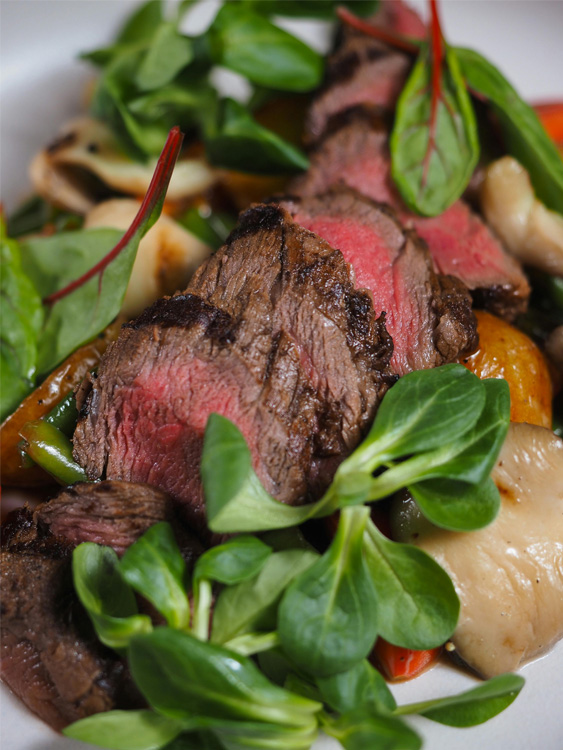
Without enough protein, iron, B vitamins, and fiber, your energy levels suffer—even if your plate looks full.
What helps:
Aim for balanced meals with protein, vegetables, and carbs—not just “something to eat.”
2. Your Meals Are Causing Energy Crashes
Big meals that are high in sugar or refined carbs can cause blood sugar spikes, followed by crashes.
That’s when you feel:
- sleepy after eating
- foggy
- low on motivation
What helps:
Pair carbs with protein or healthy fats to slow digestion and stabilize energy.
3. You’re Skipping Protein Early in the Day
If breakfast or your first meal is mostly bread, rice, or coffee, your energy won’t last long.
Protein helps regulate blood sugar and keeps energy steady throughout the day.
What helps:
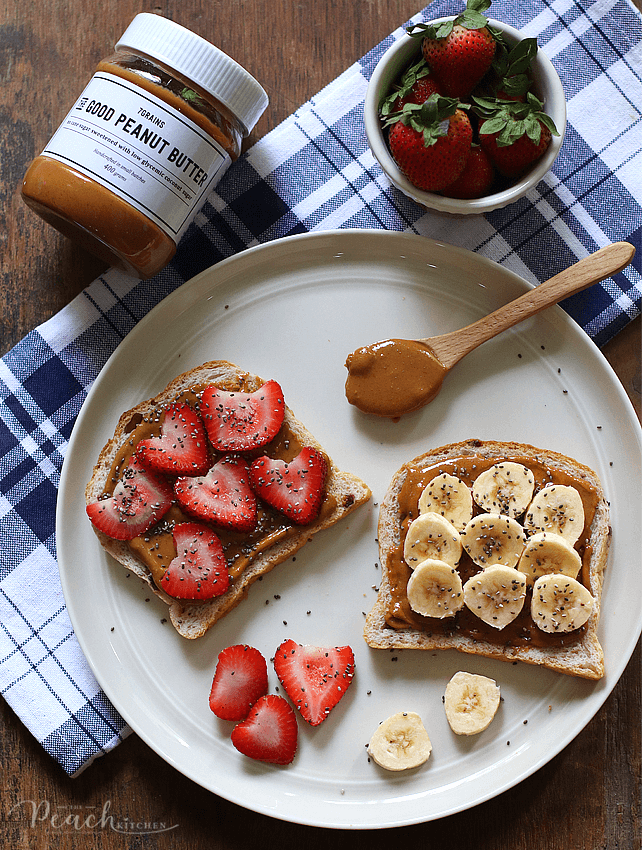
Add eggs, yogurt, tofu, fish, or nuts—especially in your first meal.
4. You’re Dehydrated (And Don’t Realize It)
Dehydration often feels like fatigue, not thirst.
If you:
- rely mostly on coffee
- forget to drink water
- feel sluggish even without physical activity
your body might simply need fluids.
What helps:
Drink water regularly throughout the day—not just when you’re very thirsty.
5. You’re Eating Too Little Earlier—and Too Much Later
Under-eating earlier in the day can leave you drained, while overeating at night can disrupt sleep.
This cycle often leads to:
- daytime fatigue
- nighttime heaviness
- poor-quality rest
What helps:
Eat balanced meals earlier so your body isn’t constantly playing catch-up.
6. Your Sleep Quality Is Affecting Your Energy
You can eat perfectly and still feel tired if your sleep is poor.
Late meals, heavy dinners, or too much caffeine late in the day can interfere with rest.
What helps:
Light dinners, fewer late-night snacks, and cutting caffeine earlier.
7. Stress Is Draining Your Energy
Chronic stress affects hormones that regulate both hunger and energy.
Even if you eat enough, stress can leave you feeling:
- exhausted
- unmotivated
- mentally drained
What helps:
Simple stress management—short breaks, movement, and realistic expectations.
8. You’re Eating “On the Go” All the Time
Eating while distracted or rushing through meals can affect digestion and nutrient absorption.
When your body doesn’t digest food properly, energy suffers.
What helps:
Slow down when you can. Even a few calm minutes during meals matter.
9. You Rely Too Much on Caffeine for Energy
Coffee helps—but too much caffeine can backfire.
Over-reliance can lead to:
- afternoon crashes
- disrupted sleep
- dependency
What helps:
Use caffeine as support, not as your only energy source.
Feeling tired all the time doesn’t mean you’re lazy or doing something wrong.
Most of the time, it means your body needs:
- better balance
- better timing
- or more rest
Energy is built from consistent habits, not quick fixes.