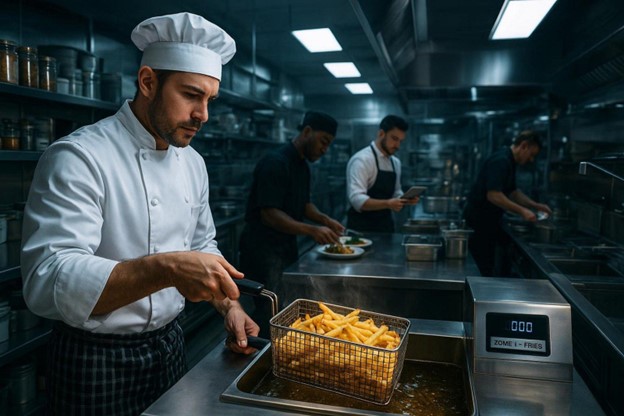
The goal is to get the most from your fryer so you can serve great food fast and at a lower cost. With rising prices for food, labor, and utilities, getting the most out of one of your priciest and most profitable tools-the commercial fryer-is very important. This is about more than saving a few bucks; it helps protect profits and smooth out kitchen workflow.
The push for greater commercial fryer efficiency matters even more today. Restaurants are always finding new ways to cut costs and raise profit. Fried foods often carry an average profit margin of 75 percent in the U.S., so any gain in fryer efficiency can lift revenue.
This article explains how fryer efficiency is measured, what affects it, the main fryer types, key features to look for, and daily habits that keep your fry station fast and lean. By focusing on efficiency, restaurants can handle current challenges and also build a more steady and profitable future.
What Is Commercial Fryer Efficiency?
Commercial fryer efficiency is about more than speed. It covers the whole frying process, from energy use and oil life to labor and food quality. A good, efficient fryer delivers great cooking results while using the least energy, oil, and time. That means less waste, fewer oil changes, and less time spent on upkeep, all of which help your bottom line.
Commercial kitchens use a lot of energy-often five to seven times more per square foot than other businesses-so improving fryer efficiency can bring big savings. Smart choices here ripple across your operation, lowering utility bills, easing workloads, and helping customer satisfaction.
How Is Fryer Efficiency Measured in Restaurants?
Measuring fryer efficiency uses several metrics. A key one is energy use per pound of food fried. Track this by watching utility bills and matching them to fried food sales. Another key metric is oil life—how long the oil stays good before you must replace it. Longer oil life cuts costs, and some low-oil volume fryers can save up to $5,000 a year on oil compared to other models. Solutions such as Save Fry-Oil can help operators push oil performance even further.
Other measures include throughput (how much food you can cook in a set time), recovery time (how fast oil returns to the set temperature after adding food), and labor savings from easier operation and cleaning.
For example, Pitco’s Reduced Oil Volume (ROV) Fryers, with better filtration, can raise throughput for bone-in chicken by 63 percent over competing fryers. This shows how design and features can lift production.
Key Factors Influencing Fryer Performance
Many factors play a big role in overall fryer performance. The fryer’s design is a basic one. Heating elements, insulation, and the size and shape of the fry pot all matter. Tube-type fryers, for example, have large cold zones that catch crumbs and slow oil breakdown, which helps oil last longer-great for heavily breaded foods.
Oil care is another key factor. Oil quality, filtration frequency and success, and keeping proper oil levels affect food quality and costs. Also, the type of food, batch size, and even kitchen conditions (room temperature, airflow) change how well a fryer works.
New fryers with smart controls and IoT links give real-time data so operators can fine-tune oil use, track food safety, and stop costly failures before they happen. This shows how better tools and good habits work together to raise performance.
Types of Commercial Fryers and Their Efficiency Ratings
The fryer market offers a wide range of models, each built for specific jobs and efficiency levels. It helps to know the differences. Your choice affects energy use, oil life, and food quality.
The best fryer for a business depends on the menu, volume, and kitchen setup. A small café may want easy install and low energy use, while a high-traffic quick-service spot needs capacity and speed. Each type has trade-offs that affect daily work and profit.
Open-Pot Fryers vs. Tube-Type Fryers
Two common designs are open-pot and tube-type. Open-pot fryers have a simple open vat, are usually easier to clean, and often cost less. They work well for low to medium sediment foods like fries or hash browns. Their simple design can save time on cleaning if the food doesn’t break down the oil quickly.
Tube-type fryers have heating tubes in the oil, creating a large cold zone at the bottom. This cold zone is very helpful for heavy breading, like fried chicken or fish, because crumbs drop and don’t burn. That keeps oil fresher longer, lowers oil costs, and improves food quality.
They can take more effort to clean due to the tubes, but longer oil life and better results often outweigh that, making them a smart pick for certain menus.
| Feature | Open-Pot Fryer | Tube-Type Fryer |
| Best for | Low/medium sediment (fries, hash browns) | Heavily breaded items (chicken, fish) |
| Oil life | Shorter with heavy breading | Longer due to large cold zone |
| Cleaning | Easier | More steps (tubes) |
| Typical cost | Lower | Higher |
High-Efficiency Fryers: Features and Innovations
Newer high-efficiency fryers aim to deliver strong performance while cutting operating costs. They often add better insulation, burner designs, and heat transfer to cut energy waste. Pitco’s high-efficiency burners use less gas while keeping fry power high, and Idle Mode holds oil warm at a lower temperature during slow times to save energy.
Many high-efficiency models also add advanced filtration that extends oil life. Pitco’s updated ROV Fryers use stronger pumps and wider drains for faster, more reliable filtration, finishing in about three and a half minutes. This saves time and helps the oil keep more heat and last longer, which supports crisp, even cooking. These upgrades raise throughput, lower utilities, and improve return on investment.
Comparing Gas and Electric Commercial Fryers
The choice between gas and electric often depends on kitchen setup, energy prices, and workload. Gas fryers (natural gas or propane) usually heat up and recover faster, which helps in busy, high-volume kitchens. Quick recovery after large batches is a big advantage during rushes.
Electric fryers may heat up slower but can be more energy-efficient over time, especially in small spaces without gas lines. They can fit light to medium use, like food trucks, kiosks, or cafés. Your decision should include local energy costs, expected volume, and available utilities, since these affect both efficiency and total cost.
Key Features to Look for When Choosing an Efficient Commercial Fryer
Picking the right fryer can have a big effect on daily work and profit. The price tag matters, but long-term costs and steady performance matter more. Modern fryers include features that raise efficiency, cut waste, and speed up kitchen tasks. Knowing these features helps you make a smart choice for your needs.
From better oil care to smart controls, these changes are reshaping kitchen work. They bring more accuracy, less labor, and better food. Focusing on these features helps you cut operating costs, lift output, and deliver a better guest experience.
Advanced Filtration and Automatic Oil Top-Off Systems
One of the best ways to boost fryer efficiency is a strong filtration system, built-in or automatic. Oil is expensive, and clean oil tastes better and lasts longer. Built-in filtration costs more upfront but can pay off by lowering oil use and cutting manual labor. Systems like Pitco’s ROV line, with stronger pumps and wider drains, give faster, more effective filtration cycles, leading to less downtime and longer oil life.
Automatic oil top-off systems add even more value by refilling oil as needed. This keeps cooking consistent, reduces manual filling, and lowers the risk of handling hot oil. Restaurant Technologies’ Total Oil Management lets staff fill fryers at the push of a button, removing manual handling and cutting cost and risk. This automation keeps oil at the right level, which is key for consistent results and longer oil life.
Built-In Safety and Energy-Saving Features
New fryers often include features that improve safety and save energy. ENERGY STAR equipment aims for high efficiency without hurting performance, helping lower utility bills. Auto shutoff and boil-over protection reduce accidents and damage. Cool zones in many tube-type fryers catch crumbs below the heat source, which extends oil life.
In addition, Pitco’s strain detector actuators in its updated ROV Fryers sense drain clogs and reopen to prevent blockages. These safety tools protect people and equipment and cut the chance of downtime and repairs. Buying fryers with these features helps create a safer kitchen while driving down operating costs.
Smart Controls and IoT Connectivity
Smart controls and IoT links are changing kitchen work, and fryers benefit from this shift. These tools bring high accuracy, better monitoring, and data to guide choices. Programmable controls and timers keep results consistent and help manage energy by letting staff set exact cook times and schedules.
IoT-connected fryers send data to the cloud for real-time tracking. This helps optimize oil use, track food safety, and even spot problems before they cause breakdowns. For example, Restaurant Technologies’ portal shows the best time to filter and replace oil, avoiding early disposal of good oil or overuse of old oil. These insights raise efficiency and help managers make better decisions, cutting costs and improving food across locations.
How Commercial Fryer Efficiency Boosts Restaurant Operations
The push for fryer efficiency is more than cost-cutting; it is a smart way to improve how a restaurant runs. Better fryer performance brings many benefits, from faster service and better food to stronger profits. In a tight-margin business with heavy competition, these gains can set you apart.
Efficiency means a quicker, leaner, quality-focused kitchen. It’s working smarter and using tools and good habits to get more from a key piece of equipment. Here are the ways a focus on fryer efficiency can raise daily performance.
Reduces Cooking Times and Increases Throughput
One clear benefit of an efficient fryer is shorter cook times and higher throughput. Fryers with fast recovery, like many gas units or high-efficiency electric models, return to the set temperature quickly after loading food, which cuts delays between batches. This is key during peak hours, letting kitchens move more orders without hurting quality.
Pitco’s ROV Rack design also cuts oil use and lifts per-load capacity from 48 to 64 pieces of chicken. That equals about 320 pieces of bone-in chicken in under two hours, a 63 percent throughput increase over competing fryers. Faster cook times and bigger loads mean shorter waits, more table turns, and higher revenue.
Minimizes Energy and Oil Consumption
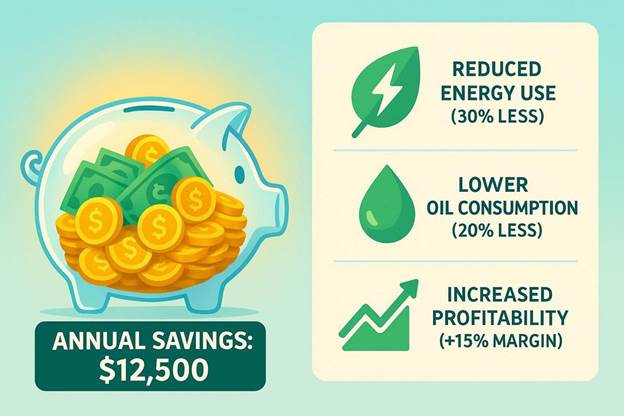
Cutting energy and oil use sits at the center of fryer efficiency and brings real savings. ENERGY STAR fryers are built to use less gas or power while still cooking well. Features like Idle Mode, seen in Pitco fryers, keep oil warm at a lower temperature between rushes to avoid wasted energy. Since frying uses a lot of energy, these savings can cut utility costs a lot.
Oil savings matter too. Better filtration and tools that extend oil life mean fewer change-outs. Some low-oil volume fryers can save up to $5,000 a year in oil. Restaurant Technologies’ Total Oil Management, used by 1788 Chicken in 60 Zaxby’s stores, saved over $500,000 a year in oil. By managing oil and energy well, restaurants save money and reduce waste.
Improves Food Quality and Consistency
Efficient fryers go beyond speed and savings-they help deliver better, more consistent food. Stable oil temperatures and effective filtration keep oil clean, which prevents off-flavors and leads to crisp, golden results.
Accurate temperature control stops food from turning greasy (oil too cool) or burning (oil too hot). Designs that help oil keep more heat during filtration, like Pitco’s updated ROV Fryers, support even cooking on breaded and bone-in items. Steady quality is very important for guest satisfaction and reputation.
Boosts Staff Productivity and Workflow
Better fryer efficiency also lifts staff productivity and smooths out workflow. Easy-to-use, easy-to-clean fryers free up time for other tasks, from service to prep. Automation for filtration and top-off removes manual, risky, and tedious jobs.
Manually changing oil-draining hot oil into caddies, carrying it, and refilling from heavy jugs-brings real safety risks like slips and burns. Automated systems like Restaurant Technologies’ Total Oil Management cut those risks, lower injury chances, and reduce related costs. A safer, simpler process raises morale and productivity so staff can focus on serving guests.
Best Practices for Maximizing Commercial Fryer Efficiency
Great fryer efficiency isn’t just about the unit itself. Daily care and smart use matter just as much. Even the best fryer can underperform without proper upkeep and training. Strong habits in maintenance, oil care, training, and loading will help you get the most from your station, leading to steady savings, better food, and smoother service.
These habits are ongoing. Build them into daily routines to keep fryers working at their best and to support your restaurant’s results and profit.
Regular Maintenance and Calibration
Like any hard-working machine, fryers need regular maintenance and calibration to run well. Do routine cleaning, quarterly and yearly preventive checks, and fix issues quickly. Skipping these raises energy use, lowers performance, and can cause early failures. Keeping fryer vats as clean as possible is very important, and some fryers like Henny Penny’s F5 and Evolution Elite guide users with on-screen cleaning prompts.
Calibration keeps temperature controls accurate, which avoids overcooking or undercooking and reduces wasted energy. Regular checks of heating elements, thermostats, and filtration parts can catch problems early. With a set maintenance schedule, you extend equipment life, reduce downtime, and keep fryers running efficiently.
Best Oil Filtration and Management
Good oil filtration and care are key to top fryer efficiency and lower oil costs. Frequent filtration removes crumbs and sediment that speed oil breakdown, which makes oil last longer. Pitco points out that frequent filtration leads to longer oil life and better food. Many new fryers include built-in or automatic filtration to make this easier. On Pitco’s updated ROV fryers, faster filtration helps teams keep up with volume without hurting oil quality.
Beyond filtration, use oil-life extender products like Henny Penny’s Prime Filter Powder to keep oil cleaner longer and reduce change-outs. Track oil quality and replace it at the right time instead of guessing. Restaurant Technologies’ portal gives insights on when to filter and replace oil so it isn’t tossed too soon or kept too long. Good oil care lowers costs, improves food, and cuts waste.
Staff Training for Efficient Fryer Use
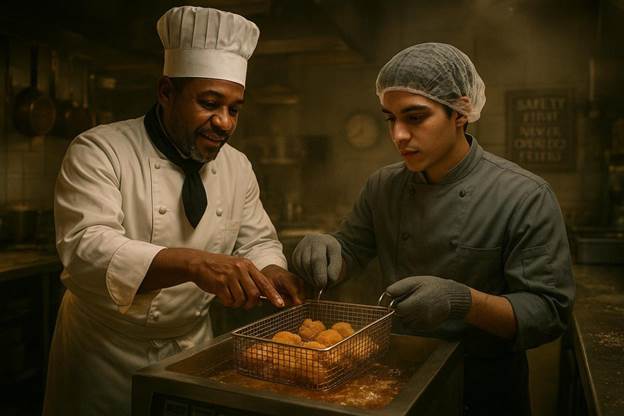
Even the smartest fryer only works well if the team uses it right. Thorough training on loading, not overloading or underloading, setting correct temperatures, and doing filtration and cleaning the right way is key. Henny Penny offers easy guides and videos to help with training.
Training should cover the importance of oil quality for taste and safety, plus safe handling of hot oil. Well-trained staff follow best practices, reduce waste, prevent accidents, and keep the fry station efficient. Also, ongoing training helps spot gaps and reinforce standards. J. Cody Neal, VP of Operations at 1788 Chicken, noted the challenge of getting all staff across 60 sites to filter and change oil correctly, showing the need for strong training programs.
Batch Cooking and Load Management
Smart batch cooking and load control are simple, powerful ways to raise efficiency. Overloading drops oil temperature fast, causing greasy food and longer recovery, which wastes energy. Underloading is wasteful too, since the fryer uses energy to hold temperature for a small batch. Find the sweet spot for each fryer and menu item.
Cook in right-sized batches to keep oil temperature steady and recovery short. You get better food, lower energy use, and less wear on the fryer. Train staff on loading for each item to improve both efficiency and consistency.
Common Mistakes That Lower Fryer Efficiency
Even with good equipment, common mistakes can hurt efficiency, raise costs, reduce food quality, and wear out machines. These slip-ups often come from rushed work or limited training. Spotting and fixing them is key for any busy kitchen.
By knowing these pitfalls, restaurants can take steps to prevent them and support best practices. Avoiding mistakes saves money, protects food quality, extends fryer life, and keeps workflow steady.
Overloading and Underloading the Fryer
Improper loading is one of the most common errors. Overloading causes a sharp drop in oil temperature-“temperature shock”-which makes food soak up oil and turn soggy. The fryer then works longer to regain the set temperature, wasting energy and slowing service. Food quality falls and costs rise.
Underloading is also wasteful. Running a large fryer for a tiny batch uses more energy than needed. The best approach is to match batch size to fryer capacity and the thermal load of each food so oil temperature stays stable and cook cycles stay efficient.
Neglecting Routine Cleaning and Safety Checks
Skipping routine cleaning and safety checks is a serious mistake. Food bits build up in oil and on heating parts, speeding oil breakdown and raising costs due to more frequent changes. Burnt particles can also add bad flavors. Pete Krause, Director of Training and Digital Assets at Henny Penny, stresses that good maintenance starts with keeping fryer vats very clean.
Poor safety checks can lead to hazards. Fryers make heat and grease vapors, so they need proper ventilation and clearances for fire safety. Bad thermostats, clogged filters, or damaged parts lower efficiency and raise the risk of burns or fires. Regular cleaning and safety inspections help maintain equipment, keep people safe, and support an efficient kitchen.
Incorrect Oil Temperatures
Running fryers at the wrong temperature hurts both efficiency and food quality. If oil is too cool, food cooks slowly and absorbs too much oil, turning greasy. This also lengthens cook times and wastes energy as the fryer struggles to heat back up.
If oil is too hot, the outside may burn before the inside cooks. High heat also breaks down oil faster, raising replacement costs. Holding the right temperature for each food is key for good results-crispy outside, tender inside-while saving oil and energy. Programmable controls and accurate sensors in modern fryers help keep temperatures on target.
What Are the Long-Term Benefits of Investing in Fryer Efficiency?
Spending on fryer efficiency brings more than quick wins. It improves long-term cost control, helps your operation stay steady, and lowers environmental impact. In a competitive, cost-aware industry, these gains can be the difference between getting by and growing.
By putting efficiency first today, restaurants deal with current pressures and also build a steadier, more profitable path ahead. A well-run fryer turns into a long-term asset that supports success every day.
Lower Operating Costs and Higher ROI
The biggest long-term gain from fryer efficiency is lower operating costs and a stronger return on investment. Efficient designs and features like idle modes cut energy use and trim utility bills. Better filtration and good oil care make oil last longer, trimming one of the kitchen’s highest recurring costs. Some low-oil volume fryers can save up to $5,000 per year on oil.
Also, automation like Restaurant Technologies’ system can save hundreds of thousands across multiple locations by lowering oil use and reducing accidents. Year after year, these savings feed straight into profit, funding growth or lifting earnings. High-efficiency gear pays for itself through ongoing savings, making the ROI compelling.
Extended Equipment Life and Reduced Downtime
Efficient operation and proper maintenance extend fryer life and cut surprise breakdowns. Clean, calibrated fryers run within proper settings, so parts last longer and the unit holds up over time.
Also, features like strain detector actuators in Pitco’s ROV Fryers protect against clogs, and smart controls alert operators to issues early. Less downtime means steady service, fewer lost sales, and happier guests. Avoiding a fryer failure during a rush is worth a lot, and steady performance brings peace of mind.
Better Sustainability and Reduced Environmental Impact
Fryer efficiency also supports sustainability. Lower energy use reduces your carbon footprint, which fits company goals and appeals to eco-minded guests. Using less oil also means less waste oil to dispose of and fewer resources used. By adopting these practices, restaurants act responsibly and strengthen their brand with guests who care about the environment. Running cleaner can also be a market